


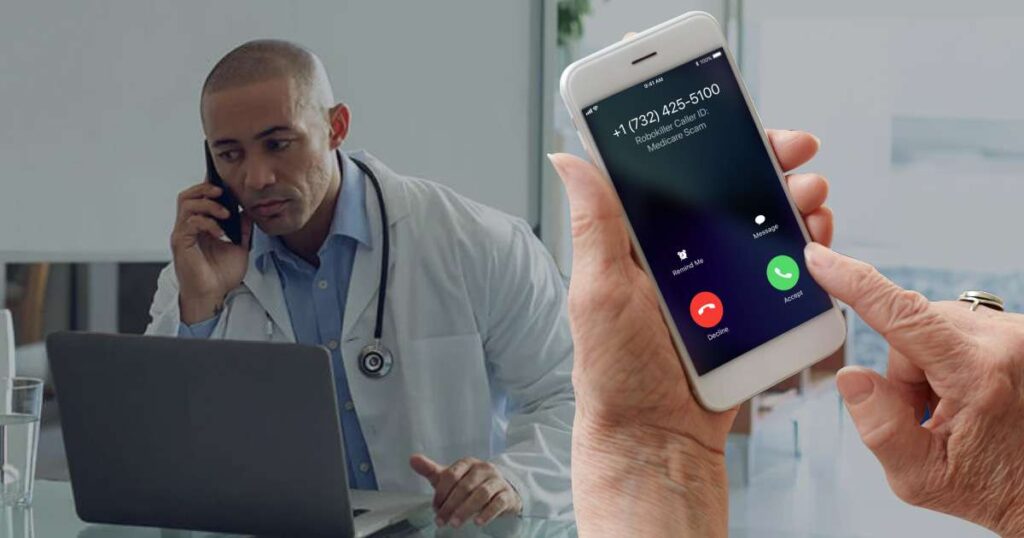
Healthcare-related scam calls have become an increasingly common threat, exploiting people’s fears and concerns about their health to steal personal information and money. In an era where scammers use sophisticated tactics via phone, email, and even fake websites, understanding how to recognize and respond to these threats is essential. Being informed about the typical signs of fraudulent calls, knowing how to verify legitimate contacts, and implementing preventative measures can significantly reduce your risk of falling victim. This guide provides detailed insights into the nature of healthcare scams, how to identify them, and effective strategies to safeguard your personal and financial information.
What Are Healthcare Scams?
Healthcare scams involve deception by fraudsters posing as representatives from healthcare providers, insurance companies, or government agencies to obtain sensitive details or financial assets. These scams can surface through unsolicited phone calls, deceptive emails, or counterfeit websites designed to look authentic.
How Do Healthcare Scams Operate?
Unsolicited Contact: Scammers often initiate contact unexpectedly, claiming to be from reputable healthcare organizations. They might use caller ID spoofing to appear legitimate.Request for Sensitive Information: They ask for personal identifiers such as Social Security numbers, Medicare or Medicaid numbers, or banking details. These are then used for identity theft or fraudulent billing. Attractive Offers: Many scammers present offers for free medical devices, discounted insurance policies, or urgent medical procedures that seem too good to be true.Financial Exploitation: Once they collect your data, they may make unauthorized charges, file false insurance claims, or sell your information on the black market.
According to the Coalition Against Insurance Fraud, healthcare-related scams cost billions annually, with Medicare fraud alone reaching an estimated $60 billion each year. Victims often suffer substantial financial losses and emotional distress, especially vulnerable populations like seniors living on fixed incomes.
Recognizing these scams early is crucial. Many frauds rely on exploiting trust and creating a sense of urgency, which can lead victims to act impulsively. For instance, a scammer may claim to be calling from a government agency and threaten legal action if personal details are not provided immediately. Being aware of these tactics can help prevent falling prey to such schemes.
Recognizing the Signs of Healthcare Call Scams
Being able to identify the telltale signs of a scam call can save you from a lot of trouble. Watch for the following indicators:
Interesting:
- Understanding hipaa compliance laws rules and how to protect patient data
- How to achieve certification in healthcare compliance and advance your career
- Exploring the role of a patient care assistant and how to start your healthcare journey
- Approaches to driving and evaluating change in healthcare systems
- Harnessing virtual and augmented reality to transform healthcare and sports
Unexpected Calls: If you receive a call from a number you don’t recognize, especially if it claims to be from a healthcare provider or insurance company, proceed with caution. Legitimate organizations usually do not make unsolicited calls asking for personal information.High-Pressure Tactics: Scammers often try to rush decisions by insisting that immediate action is required, such as threatening to cancel your coverage or claiming urgent medical emergencies. Trustworthy organizations typically give you time to verify information.Requests for Personal Data: Be suspicious if asked for your Social Security number, Medicare details, or banking information over the phone. Legitimate entities rarely request this sensitive data via unsecured calls.Too-Good-To-Be-True Offers: Offers for free medical equipment, deep discounts, or urgent treatments that seem overly generous are common ploys used to lure victims into revealing personal details.Fake Caller ID: Callers may manipulate their caller ID to look like they’re calling from a trusted source. Always verify by contacting the organization directly through official channels.Vague or Inconsistent Details: If the caller cannot provide specific information about their services or seems unsure, it’s a red flag. Genuine organizations will have clear, consistent information.Unreliable Contact Information: Hesitation or refusal to give a callback number, or providing one that doesn’t work, suggests a scam.
Being alert to these warning signs empowers you to question suspicious contacts and avoid unnecessary risks. Always verify the caller’s identity independently before sharing any personal or financial information. This cautious approach is essential in protecting yourself and your loved ones from fraud.
How to Protect Yourself from Healthcare Scams
Proactive steps can significantly reduce your vulnerability to healthcare fraud. Implementing these safety measures will help ensure your personal information remains secure:
Never Share Sensitive Details Over the Phone: Do not give out your Social Security number, Medicare number, or banking information unless you are certain of the caller’s identity. If you receive an unsolicited request, hang up and call the organization directly using verified contact details.Confirm Caller Identity: When contacted, ask for the caller’s name, department, and a contact number. Cross-check this information with official sources like the organization’s website.Be Wary of Unsolicited Offers: Treat offers for free medical devices or sudden discounts with suspicion. Always do your own research before committing to any offers.Use Call Screening Tools: Utilize caller ID and call-blocking features or apps to filter out suspicious or unwanted calls. This can help reduce exposure to scam calls.Educate Yourself and Family Members: Share information about common scam tactics, especially with older relatives who may be more targeted. Regular conversations about scam awareness can prevent many potential victims.Report Suspected Scams: Notify authorities such as the Federal Trade Commission (FTC) about scam calls. Reporting helps law enforcement track and combat these schemes.Register with the National Do Not Call Registry: Signing up can help reduce the number of unsolicited calls, although it doesn’t eliminate scam calls entirely.Monitor Your Financial and Medical Statements: Regularly review your bank accounts and medical bills for unauthorized charges and report any suspicious activity immediately.
By staying informed and vigilant, you can dramatically lower your chances of becoming a victim. Developing a habit of verifying calls, safeguarding personal data, and reporting suspicious activity creates a strong defense against scammers. Protecting your health and finances requires ongoing awareness and proactive behavior—stay cautious and stay safe.