


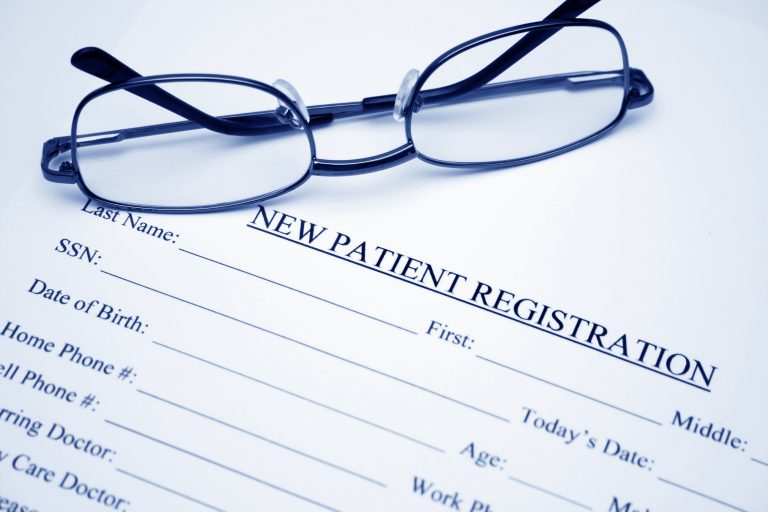
The advent of Electronic Medical Records (EMR) has marked a transformative era in healthcare, fundamentally changing how hospitals manage patient information and deliver care. This digital shift has not only streamlined administrative processes but also enhanced the quality, safety, and efficiency of healthcare services globally. As healthcare facilities increasingly adopt EMR systems, understanding the multifaceted benefits they bring becomes essential for healthcare professionals, administrators, and patients alike. The impact of EMR technology extends beyond mere record-keeping; it influences clinical workflows, patient engagement, and the overall operational dynamics of hospitals.
How EMR Transformed Hospital Management and Healthcare Practices
The integration of EMR systems into hospital operations has been nothing short of revolutionary. These digital platforms serve as centralized repositories of patient data, facilitating seamless access and management of health information across various departments. The implementation of EMRs has enabled healthcare providers to deliver more coordinated, accurate, and timely care, ultimately saving lives and reducing errors. The ongoing evolution of EMR technology incorporates advanced features such as real-time data analytics, automated alerts, and integrated clinical decision support, further optimizing hospital workflows and patient outcomes.
7 Key Advantages of EMR Implementation
EMRs are widely regarded as a milestone in healthcare innovation, offering numerous advantages that have redefined hospital management. These benefits go beyond the simple digitization of records and significantly contribute to improved healthcare quality and operational efficiency. Here are seven pivotal reasons why EMR systems have gained widespread acceptance:
- Unified Access to Patient Data – With all relevant medical information consolidated into a single digital platform, clinicians can retrieve comprehensive patient histories swiftly. This ease of access accelerates diagnosis and treatment processes while reducing administrative workload. Faster access to accurate data helps in making informed decisions, ultimately enhancing patient care and hospital productivity.
- Enhanced Data Integrity and Consistency – Unlike paper-based records, electronic records minimize the risk of data loss, damage, or misfiling. The digital format ensures that patient information, such as test results, medication histories, and treatment plans, remains consistently available across departments. This reliability promotes continuity of care and reduces the chances of errors caused by incomplete or misplaced data.
- Cost Savings and Economic Efficiency – Although initial setup costs for EMR systems can be substantial, many healthcare providers report significant long-term savings. Traditional paper records incur expenses related to transcription, physical storage, and staffing for record management. EMRs streamline these processes through digitalization, reducing overhead and operational costs, and enabling more efficient resource allocation. For detailed insights on how virtual tools are transforming medical practices, visit virtual reality in medicine perspectives and features.
- Robust Data Security and Privacy – Protecting sensitive patient information is paramount. EMR systems incorporate advanced security protocols, including encryption and user access controls, ensuring that records are accessible only to authorized personnel. These systems adhere to strict privacy regulations, safeguarding patient confidentiality while enabling necessary information sharing among healthcare teams.
- Advanced Clinical Functionalities – Modern EMRs come equipped with innovative features such as electronic prescribing, automated alerts for critical health conditions, and comprehensive clinical documentation. These functionalities support clinicians in delivering safer and more effective treatments, reducing medication errors, and catching potential health risks early.
- Reliable Medical History Tracking – EMRs facilitate longitudinal tracking of patient health data, allowing clinicians to observe trends and make evidence-based decisions. Patients also benefit by gaining access to their own health records, empowering them to participate actively in their care. Linking EMRs to personal health record systems enhances this transparency and engagement.
- Proactive and Real-Time Care Delivery – The capabilities of EMR systems enable healthcare providers to adopt a more proactive approach. Real-time data sharing and alerts allow clinicians to respond swiftly to changes in patient conditions, anticipate complications, and implement preventive measures—shifting the focus from reactive to preventive care. For example, immersive therapy techniques are emerging as promising tools for mental health treatment, illustrating how technology can support holistic patient management (immersive therapy a new frontier for mental health treatment).
The Broader Impact of EMR on Healthcare Industry
The integration of EMR technology has addressed many longstanding challenges faced by healthcare systems worldwide. It has paved the way for more streamlined administrative workflows, improved communication among care teams, and enhanced patient satisfaction. Hospitals adopting these systems report higher operational efficiency, reduced medical errors, and better compliance with regulatory standards. The digital transformation brought about by EMRs is considered a healthcare revolution, with a growing number of institutions recognizing its value in delivering high-quality care.
Interesting:
- Transforming healthcare spending the role of total cost management and hospital budgeting
- Navigating healthcare legalities how an m l s enhances compliance and risk management
- Transforming hospital materials management for enhanced healthcare delivery
- Understanding the key differences between emr and ehr systems in healthcare
Moreover, innovative applications such as virtual reality are increasingly being incorporated into medical training and patient therapy, further expanding the role of digital solutions in healthcare. For instance, virtual training modules enable surgeons to refine their skills in simulated environments, preparing them better for real-life procedures (training the surgeons of tomorrow with virtual reality). These technological advancements are creating a new frontier in medical education and patient treatment, emphasizing the importance of continuous innovation in the healthcare sector.
In conclusion, as technology continues to evolve, the role of EMR systems will only become more integral to hospital management and healthcare delivery. They are not merely tools for record-keeping but are catalysts for a comprehensive transformation towards smarter, safer, and more patient-centric healthcare systems.
Stay informed about the latest innovations in healthcare technology and mobile applications.