






How Artificial Intelligence Is Revolutionizing Healthcare
 December 26, 2025
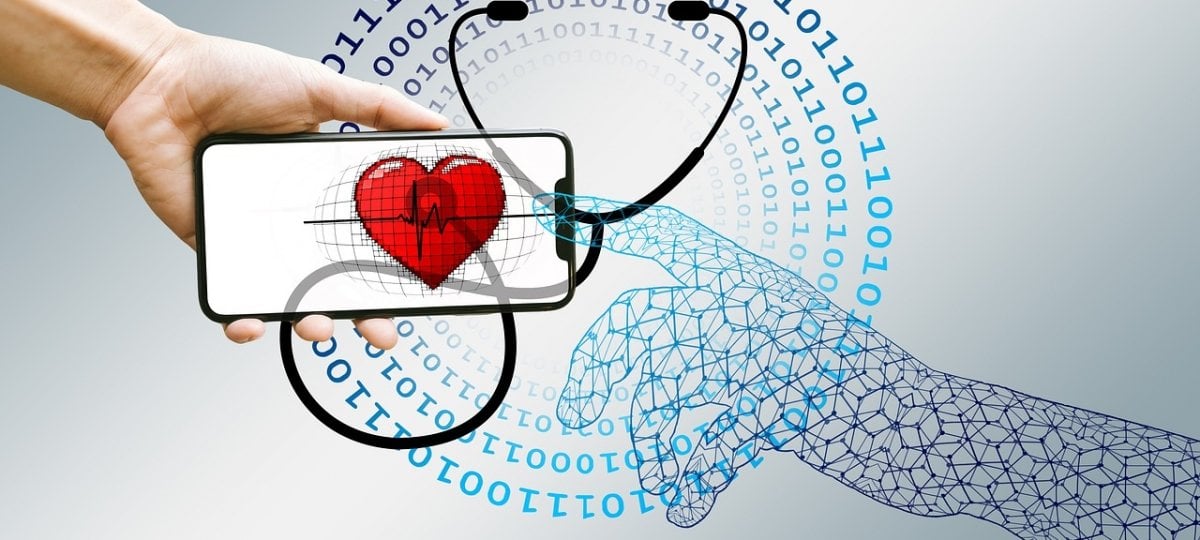
The integration of artificial intelligence (AI) into healthcare is rapidly transforming the industry, offering innovative solutions that enhance diagnostics, treatment, and patient engagement. As technology advances, AI’s role in medicine becomes more pronounced, promising a future where healthcare is more efficient, personalized, and accessible. Understanding the various ways AI is shaping this sector highlights its potential to address longstanding challenges and improve health outcomes worldwide.
Providing Diagnostic Assistance
AI-driven tools are increasingly vital in supporting medical diagnostics by analyzing vast amounts of data and medical images. Machine learning algorithms can interpret complex images such as CT scans, X-rays, and retinal photographs with remarkable accuracy. While AI is not intended to replace radiologists, it acts as a powerful supplement, helping clinicians identify patterns and anomalies more swiftly and reliably. For example, AI systems trained on extensive datasets can detect subtle signs of disease that might be overlooked by the human eye, thereby reducing diagnostic errors and improving patient safety.
These systems also excel in maintaining consistent performance, unaffected by fatigue or distractions that often impact human radiologists. They can flag potential issues for further review, ensuring higher quality control in medical imaging. The result is a more reliable diagnostic process that can be crucial in emergency situations where every second counts. Furthermore, AI can seamlessly integrate radiological findings with electronic health records (EHRs) and other relevant clinical data, providing a more comprehensive picture of a patient’s health. For in-depth insights on managing patient records, you can explore resources on healthcare data management.
Aiding in Drug Discovery and Development
The pharmaceutical industry has seen significant improvements in drug research thanks to AI. Advanced computational techniques enable the analysis of large datasets—such as genomic, proteomic, and clinical information—to identify new drug targets more efficiently. AI algorithms can predict how molecules will interact with specific proteins, streamlining the process of drug design and reducing development costs. For instance, in 2020, DeepMind’s AlphaFold revolutionized protein structure prediction by accurately modeling 3D structures from amino acid sequences, a breakthrough that accelerates the creation of targeted therapies.
AI also plays a crucial role in optimizing clinical trials. It can analyze patient data to identify suitable candidates, predict potential challenges, and enhance trial design. Additionally, AI tools are instrumental in drug repurposing efforts, predicting toxicity, and discovering disease biomarkers. These innovations are making drug development faster, more cost-effective, and more precise. For a deeper understanding of AI’s role in pharmaceutical research, see this overview on AI in drug discovery.
Personalizing Healthcare
Personalized medicine tailors treatments and preventive strategies to an individual’s unique genetic makeup, lifestyle, and environment. AI enhances this approach by analyzing complex data sets to create more effective, individualized care plans. For example, in diabetes management, AI can interpret data from continuous glucose monitoring systems to adjust insulin doses dynamically, improving blood sugar control. Wearable devices and health trackers collect real-time data, enabling healthcare providers to make timely adjustments and optimize treatment outcomes.
AI also helps in nutrigenomics—using genetic and molecular data to design personalized diets—and in predicting patient responses to various medications. This personalized approach not only improves efficacy but also increases patient engagement and adherence. AI’s ability to synthesize diverse data sources fosters a more holistic understanding of each patient’s health, paving the way for more targeted interventions.
Interesting:
Using Predictive Analytics to Improve Patient Outcomes
Predictive analytics employs machine learning algorithms and statistical models to analyze historical data and forecast future health events. In healthcare, this technology helps identify risk factors for diseases, enabling early intervention and prevention. For instance, AI can assess patient data to predict who might develop chronic conditions, allowing for proactive lifestyle modifications and screenings.
Moreover, continuous monitoring of vital signs and health metrics through AI-powered systems can alert providers to early signs of deterioration, reducing the likelihood of complications. Ensuring medication adherence is another critical application, where predictive analytics can identify patients at risk of non-compliance, prompting targeted support. These insights contribute to more personalized, preventative healthcare strategies that improve overall patient outcomes.
Acting as Virtual Health Assistants
AI-powered virtual assistants are increasingly common in healthcare, providing support through information dissemination, preliminary assessments, and patient engagement. Tools like medical scribing AI automatically generate clinical notes from doctor-patient conversations, streamlining documentation processes and reducing administrative burdens. These assistants integrate seamlessly with electronic health records, allowing providers to focus more on patient care.
In mental health care, chatbots serve as accessible first-line treatment options, especially for those with limited access or resources. According to recent studies, chatbots such as Woebot and Wysa utilize principles of Cognitive Behavioral Therapy (CBT) to help users manage stress and anxiety, offering coping strategies and emotional support around the clock. These virtual assistants provide privacy, convenience, and immediate assistance, making mental health support more widely available, particularly in rural or underserved communities.
Keeping Pace With Artificial Intelligence in Healthcare
The ongoing evolution of AI in healthcare promises to further revolutionize the industry, from strengthening healthcare infrastructure to enabling innovative medical technologies. As AI continues to advance, its integration into global health systems will become more sophisticated and widespread. Ethical considerations, data security, and responsible use remain critical to ensuring AI benefits all populations equitably.
For those interested in contributing to this transformative field, advanced education options like online health informatics programs offered by institutions such as Michigan Technological University are invaluable. These programs prepare professionals to develop and implement AI-driven solutions responsibly, emphasizing ethical practices and secure data handling. Explore options for health informatics education to understand how virtual reality and augmented reality are also shaping healthcare innovations.
Artificial intelligence is undeniably a catalyst for change, promising smarter, faster, and more personalized healthcare delivery across the globe.