






How Artificial Intelligence Is Cutting Healthcare Costs: Insights from Seven Innovative Startups
 December 27, 2025
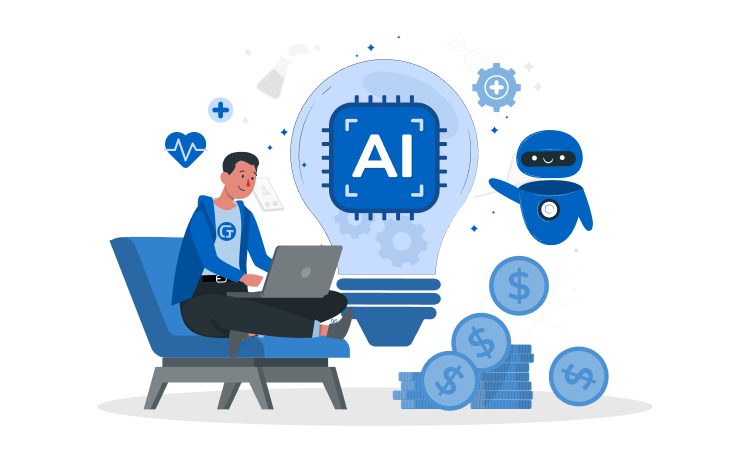
The integration of Artificial Intelligence (AI) into healthcare systems is transforming the industry in profound ways, making it more efficient, accurate, and cost-effective. Once considered a futuristic concept, AI now plays a crucial role in streamlining administrative tasks, enhancing diagnostic precision, and optimizing resource allocation. With the massive influx of health data—from electronic records to medical imaging—traditional systems struggle to keep pace. AI offers advanced analytics capabilities that process this data in real-time, enabling healthcare providers to deliver personalized treatment, predict health trends, and reduce unnecessary expenses. As the sector faces mounting financial pressures, understanding how AI contributes to cost savings is vital for organizations aiming to stay competitive and improve patient outcomes.
According to McKinsey & Company, AI has the potential to automate up to 45% of administrative activities in healthcare, translating into annual savings of approximately $150 billion. Furthermore, the Department of Health and Human Services highlights AI’s capacity to detect and prevent fraudulent claims, potentially saving up to $200 billion each year. These impressive figures underscore AI’s transformative impact on healthcare economics. Exploring the real-world applications and tangible savings achieved by startups at the forefront of this technology reveals just how substantial these benefits can be.
How Can AI Reduce Costs in Healthcare?
AI’s ability to enhance operational efficiency is revolutionizing healthcare delivery. Its implementation has led to significant improvements across various aspects of the industry, including patient management, resource allocation, and compliance. The following sections detail specific ways AI helps reduce healthcare expenses.
Cost Savings Through Process Optimization
Automation of routine tasks is among AI’s most immediate benefits. By analyzing workflows, AI identifies inefficiencies, bottlenecks, and areas where resources are under or overutilized. For example, AI-powered scheduling systems can optimize appointment bookings, reducing idle times and improving patient flow. These efficiencies lead to lower administrative costs and better utilization of healthcare personnel and facilities. For a comprehensive overview of how to develop effective healthcare apps that leverage these efficiencies, see 7 crucial factors in healthcare app development.
Error Reduction and Cost Avoidance
Data inaccuracies can lead to costly mistakes, including misdiagnoses, incorrect treatments, and billing errors. AI-driven systems improve data quality by cross-verifying information and flagging inconsistencies. This reduction in errors not only enhances patient safety but also minimizes the financial repercussions associated with adverse events and malpractice claims. Accurate diagnostics facilitated by AI also prevent unnecessary procedures, further reducing costs.
Infrastructure Cost Optimization
Cloud-based AI solutions dynamically adjust resource allocation based on demand, preventing overspending on IT infrastructure. This scalability ensures healthcare startups and providers can expand their technological capabilities without significant upfront investments, making AI-driven cloud platforms an economical choice.
Accelerating Product Development and Innovation
AI accelerates the research and development cycle by analyzing user feedback, clinical data, and market trends. This allows for rapid iteration of healthcare products and services, reducing time-to-market and development costs. Moreover, AI enables virtual prototyping and simulation of new features, cutting down expenses related to physical prototypes and extensive testing.
Enhancing User Experience with AI Assistance
AI-powered chatbots and virtual assistants handle routine patient inquiries, appointment scheduling, and follow-up reminders. This automation reduces the workload of support staff, lowering labor costs while maintaining high-quality patient engagement. Additionally, AI can predict potential user issues, allowing proactive interventions that prevent costly escalations.
Strengthening Security and Compliance
Healthcare data security is paramount, with strict regulations designed to prevent breaches and protect patient privacy. AI systems monitor network activity for irregularities, swiftly identifying potential threats and minimizing the risk of costly data breaches. Automated compliance checks ensure adherence to industry standards, avoiding penalties and legal costs. For more insights on developing compliant healthcare software, consult guidelines for healthcare application development.
Quantitative Evidence from Healthcare Innovators
The real-world impact of AI-driven solutions is exemplified by pioneering startups that have successfully integrated AI into their operations, resulting in substantial cost savings.
Interesting:
- How artificial intelligence is shaping the future of healthcare innovation
- How artificial intelligence is revolutionizing healthcare
- How artificial intelligence is transforming cost reduction in healthcare
- How artificial intelligence is transforming the future of healthcare safety and quality
- Transforming healthcare with artificial intelligence top benefits and insights
Neko Health
Based in Stockholm, Sweden, Neko Health employs cutting-edge AI and sensor technologies to provide comprehensive, non-intrusive full-body health scans. Their innovative approach involves over 70 sensors capturing more than 50 million data points per individual, enabling detailed health assessments. By automating compliance and reporting tasks through AI, Neko streamlines regulatory processes, significantly reducing manual labor costs and ensuring industry standards are consistently met. Their funding, totaling $65 million, highlights investor confidence in AI’s potential to revolutionize diagnostics.
RadAI
Founded in California, RadAI leverages advanced AI algorithms to improve diagnostic accuracy, increasing detection rates by 25%. This enhancement translates directly into financial savings, with the startup contributing to annual reductions exceeding $10 million—primarily through early intervention, shorter treatment durations, and reduced hospital stays. The company’s $33 million funding underscores the economic benefits AI can deliver by enabling more precise and timely diagnoses.
Insitro
Another California-based innovator, Insitro, employs machine learning to expedite drug discovery processes. By analyzing genetic, clinical, and phenotypic data, they create predictive disease models, uncovering new subcategories and therapeutic targets. Their approach cuts research time and costs, allowing more efficient resource allocation. Insitro has raised $743 million, reflecting the high stakes and enormous savings potential of AI in pharmaceutical development.
LifeLens
Founded in Pennsylvania, LifeLens focuses on improving diagnostic accuracy and reducing testing costs. Their AI-driven approach has lowered diagnostic expenses by 30%, leading to an estimated annual savings of $5 million. Faster, more reliable testing ensures early detection and intervention, ultimately benefiting both patients and healthcare providers.
TheraBody
Specializing in personalized therapies, TheraBody integrates AI to assess patient histories, genetics, and environmental factors. This tailored approach shortens treatment durations and improves outcomes, resulting in annual savings of approximately $6 million. Their innovative model demonstrates AI’s capacity to optimize therapeutic interventions economically.
DermDetect
Israeli startup DermDetect uses AI image analysis to identify skin irregularities with high precision. By reducing misdiagnoses and unnecessary treatments, they save around $4 million annually in healthcare costs. Their technology exemplifies how AI enhances diagnostic accuracy, reducing waste and improving patient care.
HeartBeat Health
Based in New York, HeartBeat Health employs AI to detect cardiac conditions early, preventing costly emergency interventions. Their efforts have resulted in annual savings of about $10 million, highlighting AI’s role in reducing hospitalizations and expensive procedures.
Final Thoughts
These seven startups—ranging from diagnostics to drug discovery—illustrate AI’s transformative capacity to significantly cut healthcare costs. Their innovations demonstrate that AI not only improves clinical outcomes but also delivers substantial financial benefits by minimizing errors, streamlining operations, and enabling early intervention. As the industry continues to evolve, organizations that adopt AI-driven solutions stand to gain a competitive edge and play a pivotal role in shaping the future of affordable, high-quality healthcare. For those interested in integrating AI into their healthcare systems, understanding the nuances of development and deployment is crucial. Explore key considerations for healthcare app development and stay ahead in this technological revolution.
Recognizing the enormous potential of AI, it’s time for your organization to embrace these innovations—because the future of healthcare is intelligent, efficient, and cost-conscious.