


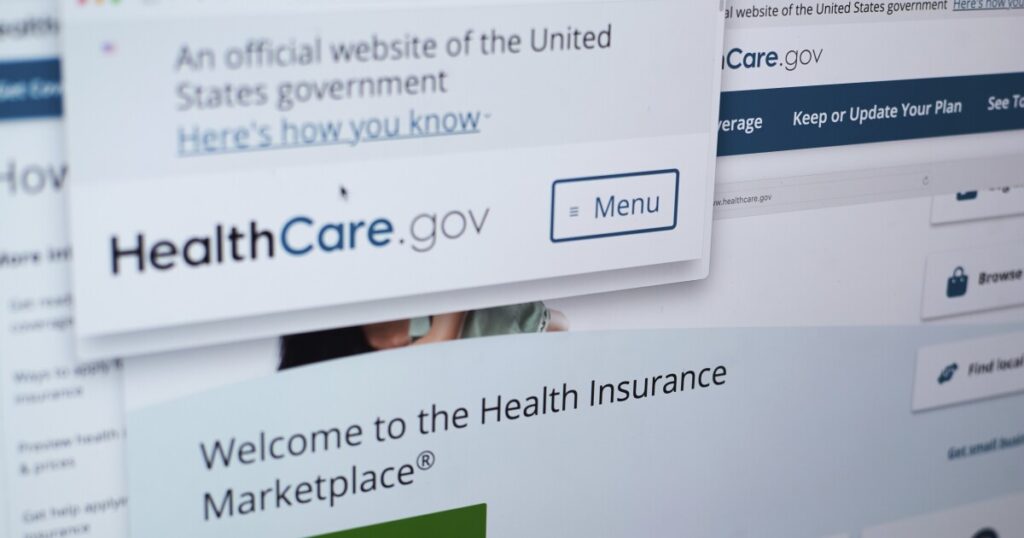
The enrollment period for health insurance coverage through the federal marketplace opens annually, providing an essential opportunity for uninsured individuals to secure affordable coverage for the upcoming year. For Floridians who have previously been unable to access or qualify for certain plans, this development marks a significant step toward increased healthcare accessibility. This article explores the enrollment window, the resources available to assist applicants, and key considerations for choosing the right plan during this period.
The federal government’s open enrollment window typically runs from November 1 to January 15 of the following year. For the upcoming 2024 coverage year, this means that Floridians can begin signing up on November 1, with the deadline set for January 15, 2024. This window allows residents to compare plans, determine eligibility for subsidies, and select coverage that best fits their health needs and financial situation. The enrollment period is a direct result of the 2010 Affordable Care Act, often called Obamacare, which aimed to expand access to healthcare and improve health outcomes across the country.
Last year, Florida led the nation in the number of residents enrolling in health plans through the marketplace. Over 3.2 million Floridians signed up on healthcare.gov, marking a substantial increase of more than 500,000 individuals compared to the previous year, according to the Centers for Medicare & Medicaid Services. This surge highlights the growing importance of the federal marketplace for many Floridians seeking coverage.
Understanding the importance of proper health coverage management can help consumers navigate the often complex process of choosing the right plan. To support those unfamiliar with health insurance options, the federal government offers free assistance through navigators—trained professionals who guide applicants through the enrollment process. These navigators provide unbiased advice, helping individuals select plans that best meet their household’s needs and budget, ensuring that choosing the right coverage is as straightforward as possible.
Interesting:
- Comprehensive guide to healthcare and health insurance for expats in austria
- Clarifying health insurance costs through price transparency
- Comprehensive guide to health insurance protecting your well being
- Understanding pmi health insurance a complete guide to private healthcare coverage
- Comprehensive guide to healthcare and health insurance in the netherlands
The cost of health insurance plans varies based on several factors, most notably the deductible—the amount paid out-of-pocket for covered services before insurance begins to cover expenses. Generally, plans with lower deductibles tend to have higher monthly premiums, while those with higher deductibles often result in lower monthly costs. For 2024, the federal government has capped the maximum out-of-pocket expense at $9,450 for individual coverage, an increase from the previous year’s limit of $9,100. This cap includes expenses such as copayments and coinsurance, which are the patient’s share of costs for services like doctor visits or prescription drugs.
Tax subsidies are available to qualifying enrollees, based on income levels. These subsidies can be applied in two ways: either by reducing monthly premiums immediately or by providing a lump sum tax credit that can be claimed when filing taxes. This financial support aims to make health insurance more affordable and accessible for low- to middle-income families.
If you want to continue seeing your current healthcare provider, it’s advisable to contact their office directly to confirm which marketplace plans they accept. This proactive step ensures that your chosen plan covers your preferred doctor, avoiding unexpected out-of-network charges. For those who miss the deadline, life events such as marriage, divorce, childbirth, or relocation can qualify as special circumstances, allowing enrollment outside the standard period.
To learn more about health insurance options, visit healthcare.gov. Staying informed and utilizing available resources can significantly ease the process of enrolling in the right health plan for your needs.