






Exploring the Structure and Quality of Colombia’s Healthcare System
 December 23, 2025
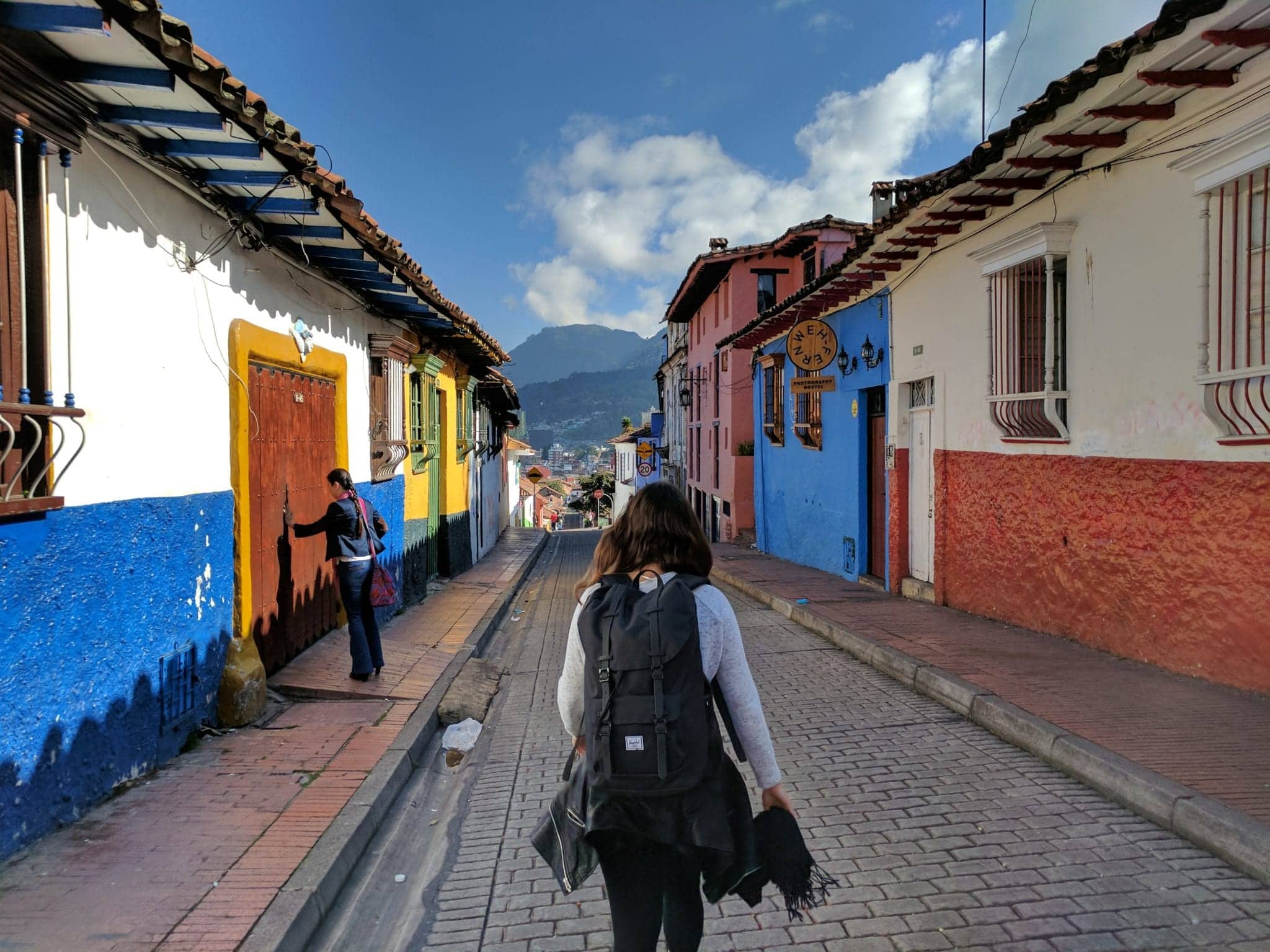
The healthcare landscape in Colombia offers a compelling combination of public and private options designed to serve its diverse population. With a history of significant reforms and ongoing challenges, Colombia’s health system reflects a blend of universal coverage efforts and regional disparities. This overview delves into how the Colombian healthcare system operates, its costs, the benefits and limitations of public care, eligibility requirements, and options available for expatriates and foreigners. Understanding these facets is essential for anyone considering health services in Colombia or interested in comparative healthcare models worldwide.
Overview of Colombia’s Healthcare System
Colombia’s health system is primarily based on a public insurance scheme known as Entidades Promotoras de Salud (EPS). This program functions through multiple private insurance companies, including well-known entities such as SURA, Comfenalco, and Coomeva. The EPS system is accessible to all residents at an affordable rate, with premiums designed to accommodate different income levels. For example, retirees pay approximately 12% of their declared pension income towards coverage, and there is no age limit to enroll in the EPS plan. The system emphasizes universal access, aiming to provide comprehensive health services across the country.
The Colombian government has invested significantly in expanding healthcare coverage through reforms and constitutional changes. These efforts have resulted in increased access and improved services, especially in urban centers. For more insights into how health systems can excel through innovative approaches, consider exploring why some healthcare systems, like Germany’s, achieve higher quality standards. Despite progress, disparities still exist, particularly between urban and rural areas, which influence the quality and availability of medical services.
Does Colombia Have Universal Health Care?
Over the past four decades, Colombia has made remarkable progress in establishing a more inclusive healthcare system. The pivotal reform in 1993 restructured the way public health funding operates, mandating that employees contribute to health plans with employer contributions. This shift considerably increased public health coverage from less than 21% before 1993 to around 65% within a decade, reflecting rapid expansion in access.
The 1991 constitutional amendments and subsequent Law 100 played critical roles in this transformation. Law 100 mandated compulsory health insurance, granted administrative independence to providers, and ensured patients had the freedom to choose among different health service providers. While these reforms introduced challenges—particularly financial—they are credited with laying the groundwork for Colombia’s broader health coverage. Such structural changes demonstrate how legal frameworks can accelerate healthcare accessibility, especially when combined with strategic policy implementation.
Costs of the Colombia Healthcare System
Colombian healthcare is generally affordable compared to many other nations. The government allocates roughly 20% of its health expenditures to public health initiatives, with healthcare spending constituting about 5% of the nation’s GDP. This investment helps keep patient costs manageable and ensures a wide range of services are accessible to the public.
The public insurance system, EPS, employs a three-tiered payment structure that covers co-payments for various medical services, including laboratory tests, imaging, specialist consultations, and medications. Co-pay rates typically range from about $1 to $11.15, depending on the patient’s income level. Most retirees are classified in the middle tier, paying around $4.25 per service. For individuals without insurance, out-of-pocket expenses start at roughly $50 for a basic consultation. To further understand how different countries’ healthcare costs compare and what makes some systems more efficient, refer to a detailed analysis of healthcare data aggregation.
The Pros and Cons of Public Care
Public healthcare in Colombia offers high-quality services in major cities such as Bogotá, Medellín, and Cali, where nearly 100% of the population is covered by health insurance. The standards of care in these urban areas are comparable to those in developed countries, with modern facilities and well-trained staff. However, disparities become evident when moving to rural regions, where healthcare infrastructure is often limited. Clinics may be basic, and access to specialized services can be scarce.
For those who can afford private care or have private insurance, treatment at private facilities offers a more comfortable experience, shorter wait times, and access to multilingual staff, which is especially beneficial for expatriates or international visitors. The integration of advanced technologies, including artificial intelligence in healthcare, pharmaceuticals, and sports, is also more prevalent in private settings, enhancing diagnostic accuracy and treatment efficiency.
Interesting:
Who Is Eligible for Colombia Healthcare?
Legal residents in Colombia are required to register with an EPS provider. Expats have the option to opt out if they can demonstrate coverage through an alternative health plan. When enrolling, individuals must contribute approximately 12.5% of their gross monthly income to their chosen EPS, though employed residents often see this contribution reduced to around 4%, with their employers covering the remainder. Each person selects an EPS-registered insurance administrator to manage their coverage, ensuring personalized service and choice.
For foreigners planning to stay long-term, eligibility hinges on proper visa status and legal residence documentation. As part of the process, applicants need to register with Colombian immigration authorities to obtain their cédula or national ID card, which serves as proof of identity for healthcare registration. This process typically involves submitting a form, paying a fee, providing fingerprints, and taking a photograph—an effort that can be facilitated with local assistance or translation services if needed.
Healthcare Options for Expats and Foreigners
Foreign residents seeking health coverage in Colombia must first secure a valid visa, such as work, retiree, or investment visas, which allows access to EPS. Once in the country, they should visit a Migración (immigration) office to register their visa, apply for their cédula, and complete the necessary documentation. The entire process can take between two to four weeks, depending on processing times.
After obtaining their ID, expats can choose an EPS provider and submit an application. Approval is usually immediate, and coverage begins without the need for a separate insurance card—your cédula is sufficient. Additionally, many expatriates purchase supplemental private international health plans to access faster service and upscale facilities. These plans often provide broader coverage, including access to exclusive clinics and specialists, but may have age restrictions, such as limits for those over 60.
Premium International Health Insurance in Colombia
For example, US citizens living abroad can opt for plans like GeoBlue’s Xplorer Worldwide Medical Insurance, which offers unlimited annual and lifetime coverage, including pre-existing conditions with prior coverage. Such plans ensure comprehensive protection outside the standard public system.

Challenges and Changes
Despite notable successes, Colombia faces ongoing public health challenges. Malaria remains a significant concern, especially in lowland and coastal regions where nearly 85% of the country is vulnerable. The country reports approximately 250,000 cases annually, with a mortality rate of about 3 per 100,000 cases. Efforts to combat vector-borne diseases like Yellow Fever and Dengue Fever continue, with vaccination campaigns regularly conducted.
Childhood malnutrition is another pressing issue, affecting nearly 21% of children under five, along with high rates of iron deficiency anemia at 23%. These health concerns highlight the need for continued public health initiatives and infrastructure improvements to ensure equitable healthcare access across Colombia.
Author / Editor: Joe Cronin, Founder and President of International Citizens Insurance, leverages extensive experience advising global clients on international health, travel, and life insurance. His insights into both local and international healthcare systems provide valuable perspectives for expatriates and travelers alike.