


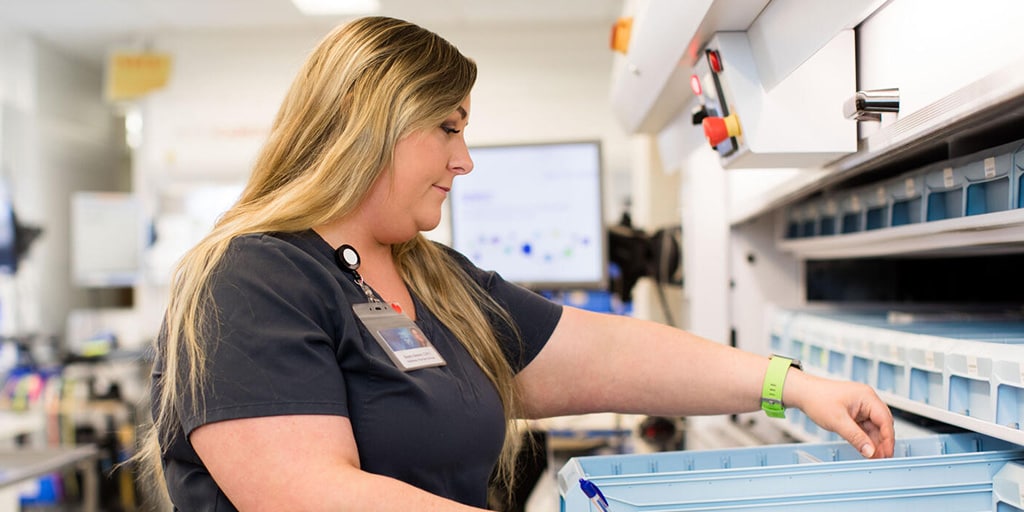
A career as a pharmacy technician offers a vital opportunity to contribute to patient care while working within the healthcare system. These professionals serve as essential links between pharmacists and patients, ensuring medications are dispensed accurately and efficiently. If you enjoy helping others, have strong attention to detail, and are interested in healthcare without direct patient procedures, a pharmacy technician role might be an excellent fit. This profession combines clinical knowledge with administrative skills, making it a rewarding and stable career choice.
Pharmacy technicians collaborate closely with pharmacists, healthcare providers, and patients to support medication management and healthcare delivery. Their responsibilities include preparing prescriptions, verifying medication accuracy, and assisting with various administrative duties. This role requires a solid understanding of pharmaceutical terminology, attention to detail, and the ability to work efficiently in fast-paced environments such as retail pharmacies, hospitals, nursing homes, and assisted living facilities.
Understanding the scope and responsibilities of pharmacy technicians highlights their importance in healthcare teams. They perform tasks such as processing prescription refills, packing and labeling medications, managing inventory, and assisting in the preparation of compounded medications. Additionally, pharmacy technicians often work with automated dispensing systems and handle insurance claims, ensuring that patients receive their medications safely and promptly. They may also specialize in fields like oncology, pediatrics, or critical care, depending on their interests and training.
To learn more about the broader healthcare landscape and how roles like pharmacy technicians fit into it, explore topics such as the significance of the case mix index in healthcare here. This understanding helps in appreciating how healthcare resources are allocated and how pharmacy technicians support efficient medication distribution.
Becoming a pharmacy technician involves a combination of education, training, and certification. Most states require at least a high school diploma or equivalent, along with on-the-job training. Many aspiring technicians pursue postsecondary programs, including certificate courses or associate degrees, to enhance their knowledge and job prospects. Online certificate programs can often be completed in about nine months, providing flexible options for students. These programs prepare students for the Pharmacy Technician Certification Exam (PTCE), which is a common requirement for certification in many states.
Interesting:
The certification process is crucial for career advancement and recognition. Certification agencies evaluate candidates’ competence, and passing the PTCE grants the credential of Certified Pharmacy Technician (CPhT). Requirements vary by state; some states do not mandate certification but regulate pharmacy technicians through exams and background checks. Certification not only demonstrates professionalism but also broadens employment opportunities and potential for career growth. With experience and additional training, pharmacy technicians can advance into supervisory roles, pharmacy management, or specialized fields such as pharmaceutical sales.
For those interested in expanding their healthcare expertise, understanding the nuances of professional development is valuable. For example, exploring the differences and requirements for continuing education credits in healthcare professions here can help in planning ongoing career growth and maintaining certification.
Mayo Clinic offers a comprehensive 20-week Pharmacy Technician Program designed to prepare students for entry into this dynamic field. Available in locations such as Rochester, Jacksonville, Phoenix, and throughout Wisconsin, the program combines classroom instruction with practical training to equip students with the skills needed for success. Completing this program can open doors to numerous employment opportunities within healthcare settings.
Beyond pharmacy technician roles, there are related careers worth exploring. For instance, central service technicians play a critical role in preparing surgical supplies and maintaining sterile environments, supporting overall patient safety. Similarly, pharmacists are integral in medication management, providing clinical expertise and patient counseling. To see how healthcare facilities are developing specialized centers to improve patient outcomes, review strategies for building centers of excellence in healthcare.
Embarking on a career as a pharmacy technician offers a meaningful way to contribute to healthcare while enjoying a stable and rewarding profession. With proper education, certification, and dedication, you can become an essential part of the healthcare team, supporting patient safety and medication management every day.