


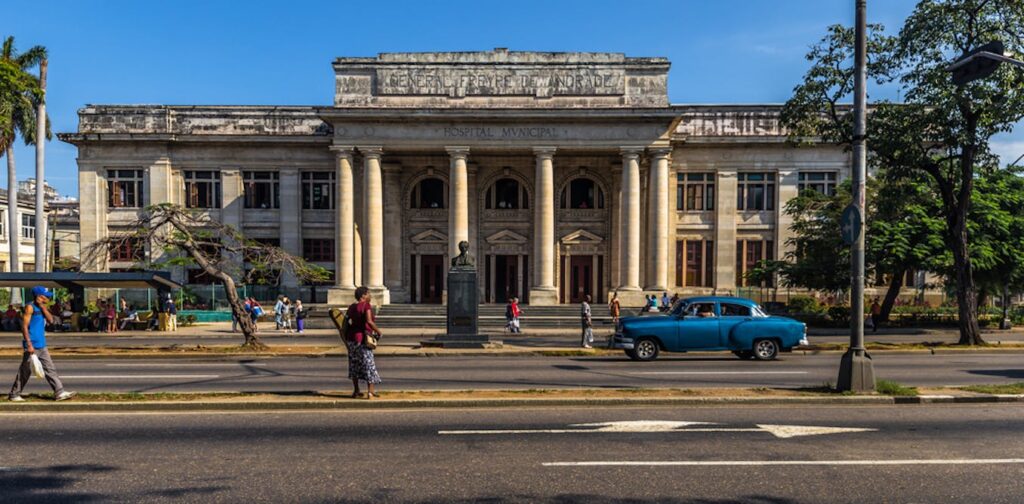
The reputation of Cuba’s healthcare system often precedes itself, frequently heralded as a shining example of social medicine. Yet, how accurate is this perception when scrutinized closely? Having trained as a medical professional in Cuba, I can provide an insider’s perspective that sheds light on both its strengths and its shortcomings. This analysis aims to present a balanced view, considering the system’s achievements alongside its persistent challenges.
Cuba’s health services, rooted in its revolutionary socialist principles, prioritize universal access to healthcare as a fundamental human right. The system emphasizes preventive medicine, offering everything from routine check-ups to complex surgical procedures free of charge. Dental treatments, medication supplies, and even home visits by physicians are all included within its comprehensive coverage. Such an approach has contributed to impressive health indicators that suggest a successful model at first glance. For example, the infant mortality rate stands at approximately 4.2 per thousand live births, which is comparable to many developed nations like the UK, where the rate was 3.5 per thousand in 2015. Life expectancy in Cuba is also notable—77 years for men and 81 for women—aligning closely with UK figures of 79 and 83 years, respectively. Additionally, the doctor-to-patient ratio of about one doctor for every 150 residents exceeds many advanced countries, where the latest World Bank data reports about 2.8 doctors per 1,000 individuals. Such statistics prompted Ban Ki-moon, former Secretary-General of the United Nations, to describe Cuba’s healthcare system as “a model for many countries” during his visit.
Doing a lot with a little
Is this level of success merely a product of propaganda? Based on my personal experience, the answer is no. During my seven years studying medicine in Cuba, I witnessed both the admirable qualities and the inherent limitations of the system. Despite economic constraints, Cubans have managed to develop a healthcare infrastructure that delivers significant results. Healthcare professionals display remarkable professionalism and humility, often working under difficult conditions and modest salaries—doctors earn around £52 a month—yet their commitment remains unwavering. Many are overburdened due to the government’s policy of deploying medical personnel abroad to countries such as Venezuela and Brazil for international missions, which, while noble, leaves domestic health services stretched thin.
This outward focus occurs despite the fact that the country’s healthcare infrastructure often lacks access to state-of-the-art diagnostic technology. Hospitals sometimes experience delays in receiving essential equipment, and basic services can be interrupted by power outages or water shortages. Yet, Cuban physicians and medical staff persist, driven by a strong sense of duty rather than financial incentives. Becoming a doctor in Cuba is widely regarded as a calling to serve others, rather than a lucrative career. The government allocates roughly US$300 to $400 per capita annually for healthcare, but only pays doctors about $64 per month. Meanwhile, Cuba earns approximately US$8 billion annually through overseas medical missions, which raises questions about reinvestment in the domestic system. Much of the revenue generated from these missions is routed abroad, and this income could be better managed to support local healthcare needs.
Many doctors choose to participate in international missions because of the higher pay, despite the fact that the government receives only a third of the earnings. This practice results in a significant drain of medical professionals from the home country, causing longer wait times and reduced access to specialists for Cuban patients. As a response, Cuba is training more healthcare workers to fill the gaps created by the overseas deployments, yet the domestic system remains under considerable strain.
Interesting:
- Evaluating the strengths and challenges of canadas healthcare system
- Evaluating the real cost of healthcare in russia
- Evaluating the benefits and drawbacks of centralized healthcare systems
- Exploring the robust healthcare system of belgium
- The impact of empathy on effectiveness and well being in healthcare and social professions
Crumbling infrastructure
The physical state of Cuba’s medical infrastructure is a critical concern. Numerous clinics and hospitals are outdated, with some in urgent need of repairs. Medical equipment often relies on outdated technology or must be sourced from distant countries like China, due to the US trade embargo, which severely limits access to American-made medical devices. This embargo hampers Cuba’s ability to modernize its healthcare facilities, forcing reliance on less advanced alternatives. Despite these obstacles, the country’s emphasis on primary care and preventive strategies remains a cornerstone of its healthcare philosophy, arguably contributing to the system’s resilience.
Cuba continues to offer numerous scholarships to international students, including those from the United States, aiming to foster global medical collaboration. The Latin American School of Medicine (Escuela Latinoamericana de Medicina) is among the largest medical schools in the Western Hemisphere, hosting thousands of students from over 100 countries. These initiatives not only enhance Cuba’s international reputation but also help to address global healthcare workforce shortages.
While Cuba’s healthcare system has endured many hardships, it has provided access to vital services for its citizens and foreign students alike. For many, it represents a lifeline that ensures essential surgeries and treatments are available without crushing financial burdens. The country has also developed a competitive biotechnology and pharmaceutical industry, contributing to global health innovations. Nevertheless, the system faces ongoing challenges that demand comprehensive reform, including better resource management and infrastructure updates.
For insights into how technology can aid in health system improvements, explore transforming healthcare with cloud computing innovations and real world examples. Similarly, advancing patient care through efficient management strategies remains essential, especially for chronic conditions, which can benefit from innovative reimbursement models and coordinated care plans. Those interested in supporting healthcare workforce excellence can learn about career pathways such as certified nurse technician, which play a vital role in strengthening frontline services.
In conclusion, while Cuba’s healthcare system has notable achievements rooted in its principles of universal access and preventive care, it is not without significant flaws. Infrastructure deficiencies, resource limitations, and the brain drain of medical professionals pose ongoing challenges. Yet, its resilience and dedication to serving the population demonstrate that, despite imperfections, the system remains a vital pillar of Cuban society—proof that even modest resources, when managed effectively, can produce impactful health outcomes.