






Essential Qualities of Outstanding Healthcare Professionals
 December 24, 2025
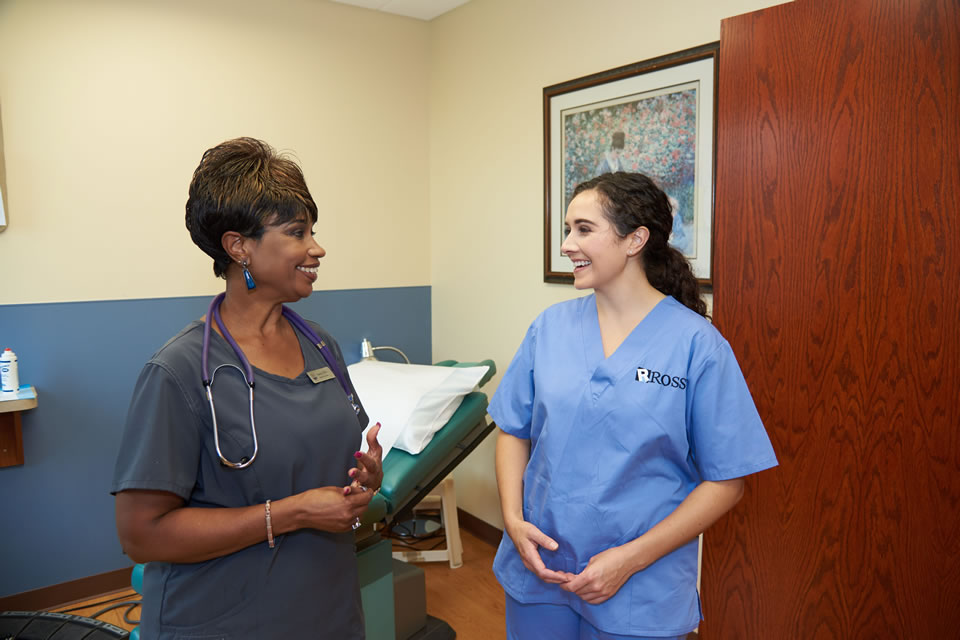
The healthcare industry demands more than just technical knowledge; it requires a set of distinct traits that enable professionals to deliver compassionate, effective, and personalized care. Excelling in this field involves cultivating certain core qualities that not only improve patient outcomes but also foster trust and teamwork within healthcare settings. Developing these attributes can significantly enhance your career and the quality of support you provide to those in need.
Having genuine passion for your work is arguably the most vital characteristic for anyone in healthcare. The path can be filled with numerous obstacles—long hours, emotional strain, and complex situations—but a deep-seated enthusiasm for helping others provides the resilience needed to persevere. When facing adversity, a strong sense of purpose and commitment can be a guiding light, motivating you to overcome difficulties and continue making a difference. This passion fuels your dedication and ultimately leads to better patient care and personal fulfillment.
Empathy forms the foundation of effective caregiving. An exceptional healthcare worker can genuinely understand and resonate with the feelings and experiences of patients. This ability to connect emotionally helps build trust and rapport, which are essential for delivering holistic care. Empathic professionals are better equipped to recognize subtle cues, provide comfort, and support emotional healing alongside physical treatment. Such compassionate engagement enhances the overall well-being of patients and fosters a positive healing environment.
Remaining patient and composed during stressful or unpredictable situations is an indispensable trait. Healthcare environments are often fast-paced and unpredictable, with patients exhibiting diverse needs and reactions. A calm demeanor and patience help ensure that care remains consistent and compassionate, even under pressure. Patients benefit from a caregiver’s steadiness, as it reassures them and supports their recovery process. Recognizing that healing is not always linear underscores the importance of maintaining a supportive and stable presence.
Effective communication is crucial for aligning care strategies among patients, families, and medical teams. An outstanding healthcare worker listens attentively, speaks clearly, and conveys information with empathy and respect. Beyond patient interactions, clear communication with colleagues, specialists, and family members ensures coordinated and efficient care delivery. Mastering both verbal and non-verbal cues can significantly reduce misunderstandings and enhance the overall quality of service.
Adaptability is vital because every patient presents a unique set of circumstances and preferences. Healthcare professionals must be flexible, willing to modify their approaches based on individual needs. Whether adjusting treatment plans or responding to unexpected situations, being versatile allows for personalized care that truly improves quality of life. This flexibility demonstrates a commitment to patient-centered care and fosters positive health outcomes.
Interesting:
Dependability and reliability are hallmarks of a professional healthcare worker. Patients and their loved ones depend on consistent support and timely responses. Punctuality, responsibility, and follow-through on commitments establish trust and demonstrate professionalism. When healthcare staff are dependable, they contribute to a stable environment where patients feel safe and valued, which can significantly influence recovery and satisfaction.
Proficiency in problem-solving is essential in navigating the complexities of healthcare. Professionals must possess the confidence and skills to address unforeseen challenges effectively. Critical thinking enables quick, informed decision-making, especially in urgent situations. Remaining calm under pressure and employing strong analytical skills help resolve issues efficiently, ensuring continuous, high-quality care. Staying updated with the latest practices and technological advancements is also crucial, which can be supported by resources such as this guide on healthcare technology.
The dynamic nature of healthcare requires ongoing learning and adaptability. Staying current with new techniques, innovations, and best practices ensures that care remains effective and evidence-based. Embracing continuous education and training allows healthcare workers to incorporate groundbreaking approaches, improving outcomes for patients. Additionally, being prepared for long shifts, including evening and weekend hours, helps professionals develop resilience and maintain a high standard of care despite demanding schedules.
Physically, healthcare work can be demanding. Professionals often spend long hours on their feet, assisting patients with mobility, lifting, or repositioning. Maintaining good physical fitness is essential to meet these demands safely and effectively. Regular exercise and awareness of ergonomics can prevent injuries and boost stamina, enabling caregivers to perform their duties optimally throughout their shifts.
Professionalism is a cornerstone of healthcare excellence. Upholding confidentiality, adhering to ethical standards, and demonstrating integrity are non-negotiable aspects of the role. Self-awareness about one’s attitude, appearance, and interactions fosters respectful and compassionate relationships with patients and colleagues alike. Cultivating a professional demeanor enhances trust and reinforces the credibility of healthcare providers.
Exceptional healthcare workers embody a combination of qualities—empathy, patience, adaptability, professionalism, and resilience—that collectively create a nurturing environment for healing. Continuously working on self-improvement and nurturing these attributes not only elevates the quality of care but also paves the way for a rewarding and impactful career. For those interested in how technological advancements are transforming patient care, exploring the influence of artificial intelligence in healthcare can provide valuable insights. Additionally, understanding the role of data analysts in healthcare reveals how data-driven decision-making enhances patient outcomes, emphasizing the importance of data integration in modern medicine.