






Ensuring Universal Access to Health: A Fundamental Human Right
 December 23, 2025
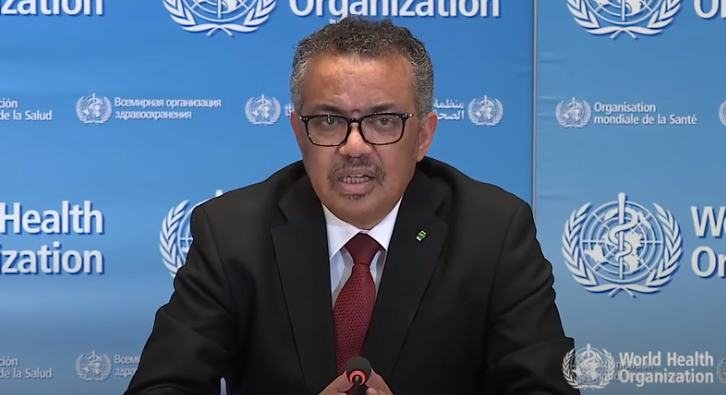
Access to the highest attainable standard of health is a core human right that should be granted to everyone, regardless of race, religion, political beliefs, or socio-economic status. This principle emphasizes that health is not a privilege reserved for the few but a basic entitlement inherent to all individuals. Despite being enshrined in the Constitution of the World Health Organization nearly seventy years ago, the right to health remains as vital and urgent today as it was then.
From the outset, the WHO has prioritized health as a fundamental aspect of human dignity and well-being. Central to its mission is the goal of universal health coverage, which strives to ensure that all people can access necessary health services without facing financial hardship. No individual should fall ill or succumb to preventable diseases simply because they lack financial resources or access to care. Achieving this requires a comprehensive approach that addresses not only medical needs but also the social determinants of health, such as access to clean water, sanitation, nutritious foods, proper housing, education, and safe working environments.
The right to health also encompasses personal autonomy over one’s body and health choices. This includes access to sexual and reproductive health information and services, free from violence and discrimination. Respecting individual privacy and dignity is fundamental; nobody should be subjected to medical experiments, forced examinations, or treatments without informed consent. Promoting a people-centred approach, which places individuals at the core of care, embodies human rights within health systems and fosters better health outcomes.
Discrimination and stigma significantly hinder health progress. Marginalized groups often face barriers that prevent them from receiving quality care, leading to worse health outcomes and perpetuating inequality. These injustices must be actively addressed through policies that promote inclusivity and respect for diversity. When people are empowered to participate actively in their own healthcare, rather than being passive recipients, the quality of care improves, and health systems become more effective and equitable.
Interesting:
Despite these commitments, there remains a significant gap in achieving universal health access. The 2030 Agenda for Sustainable Development emphasizes the importance of leaving no one behind, urging nations to uphold human rights in their health policies and practices. We must collectively work to eliminate disparities and discriminatory practices that hinder progress. This involves not only legal reforms but also community engagement and education to foster understanding and acceptance across different groups.
Furthermore, advancements in technology and data management are transforming healthcare delivery. Innovations like artificial intelligence (AI) are poised to revolutionize patient care and health management. For insights into how these technologies are shaping the future, see how emerging AI applications are impacting healthcare. Additionally, understanding the role of data in health—such as electronic health records and data sets—is crucial for informed decision-making and policy development. For a comprehensive overview, explore what data sets in healthcare entail.
Different countries have unique healthcare models that influence access and quality. For example, Canada’s healthcare system is designed to provide universal coverage, ensuring that essential services are accessible to all residents. To learn more about Canada’s approach, visit how Canada’s health system operates. When considering the structure of national health services, it’s important to understand the specific healthcare system in place; for instance, Canada primarily operates under a publicly funded model, which emphasizes equitable access. To delve deeper, see the type of healthcare system present in Canada.
In conclusion, health is a fundamental human right that underpins individual dignity, social stability, and sustainable development. Ensuring equitable access to quality health services requires ongoing commitment, innovation, and respect for human rights. Every government and community must prioritize policies that eliminate barriers, promote inclusivity, and harness technological advances to build resilient health systems capable of serving everyone fairly. Only then can the vision of a healthier, more just world become a reality.