






Ensuring Secure and Confidential Messaging in Healthcare
 December 23, 2025
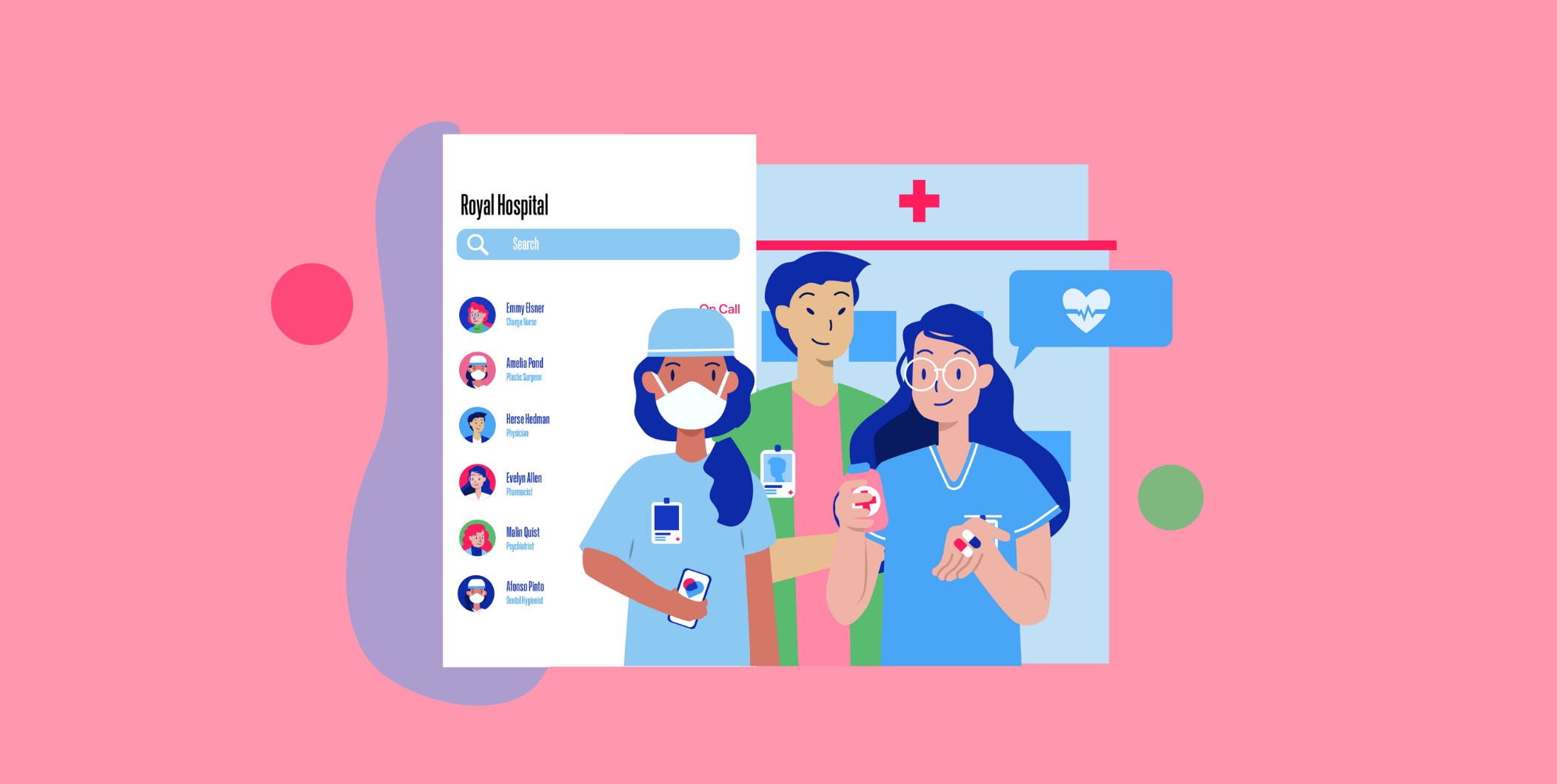
Effective communication is the backbone of high-quality healthcare delivery. In an era where digital interactions are ubiquitous, safeguarding the privacy and integrity of patient data during messaging is more vital than ever. Secure messaging platforms empower healthcare providers to exchange sensitive information swiftly and confidentially, fostering better collaboration and improved patient outcomes. This guide explores the essentials of secure messaging, its security features, best practices, and how it integrates into the broader healthcare ecosystem to uphold privacy and compliance.
The Significance of Effective Communication in Healthcare
Clear, accurate communication among healthcare providers, patients, and support staff is essential for delivering safe and efficient care. Well-maintained channels of dialogue help prevent misunderstandings, reduce medical errors, and support timely interventions. As healthcare becomes increasingly complex, the importance of reliable communication grows, underscoring the need for secure platforms that protect sensitive information while enabling seamless information exchange.
Defining Secure Messaging in Healthcare Settings
Secure messaging involves the use of specialized digital tools designed to facilitate the confidential exchange of protected health information (PHI) among authorized personnel. These systems utilize encryption and security protocols to ensure that data remains private both during transmission and storage. By complying with regulations such as HIPAA, secure messaging platforms help healthcare organizations uphold patient privacy while enabling rapid communication. For a deeper understanding of how communication has evolved in healthcare, review this article on the evolution of healthcare communication.
Advantages of Implementing Secure Messaging
The adoption of secure messaging offers numerous benefits. It allows healthcare providers to communicate quickly and efficiently, reducing delays caused by traditional methods like faxes or phone calls. This immediacy supports better coordination, especially in urgent or complex cases. Moreover, secure messaging reduces the risk of miscommunication, which can lead to errors or compromised patient safety. It also streamlines workflows, saving time and resources while enhancing overall care quality.
Enhancing Professional Collaboration Through Secure Communication
Secure messaging platforms enable healthcare teams to share patient data, test results, and treatment plans confidently. Features such as read receipts, message prioritization, and secure attachments facilitate effective collaboration, even across different locations. This reliable exchange of information ensures that all team members are informed and aligned, ultimately leading to better patient care. As the healthcare landscape continues to evolve, integrating secure messaging helps address the growing demand for rapid, trustworthy communication solutions.
Key Security Features of Healthcare Messaging Platforms
Security is paramount in healthcare communication. Critical features include strong encryption algorithms that protect data during transit and storage, preventing unauthorized access. Multi-factor authentication (MFA) and role-based access controls restrict platform usage to authorized personnel only. Additionally, adherence to HIPAA’s strict privacy standards ensures that organizations remain compliant and trustworthy. Implementing message expiration and audit trails further enhances data security by limiting exposure and providing accountability.
Best Practices for Healthcare Professionals Using Secure Messaging
To maximize security and compliance, healthcare professionals should adopt several best practices:
- Maintain HIPAA compliance: Stay updated on the latest regulations and ensure all messaging practices meet legal standards.
- Employ strong encryption: Use platforms that encrypt messages end-to-end, safeguarding PHI from interception.
- Verify recipient identities: Double-check contact information before sending sensitive data to prevent misdirection.
- Avoid transmitting PHI over unsecured channels: Use dedicated secure platforms instead of regular SMS or email.
- Implement robust authentication measures: Enable two-factor or multi-factor authentication, and regularly update passwords and credentials.
- Provide ongoing staff training: Educate team members on security protocols, recognizing risks, and fostering cybersecurity awareness. Regular training helps prevent breaches and ensures everyone understands their role in maintaining confidentiality.
Protecting Patient Privacy in Secure Messaging
Maintaining patient privacy hinges on encryption and strict access controls. Secure messaging platforms employ encryption to ensure messages are only accessible to authorized recipients. Features like message expiration and controlled access further mitigate risks, protecting sensitive data from unauthorized exposure. Consistent compliance with privacy laws such as HIPAA reassures patients that their health information remains confidential and secure.
Data Protection Strategies in Healthcare
Safeguarding patient data involves comprehensive security measures across all points of storage and transmission. Encryption encodes information, making it unreadable to unauthorized users. Authentication controls restrict access to authorized personnel, while regular security assessments identify vulnerabilities. Regulatory standards like HIPAA provide a framework for maintaining confidentiality and fostering trust in healthcare data management. For tips on responsible sharing of medical images, see this article on sharing medical photos responsibly.
What Is Encrypted Communication?
Encrypted communication transforms readable data into coded information that only authorized parties can decode. In healthcare, this process ensures that sensitive patient data remains confidential during digital exchanges, whether sent through messaging platforms or stored within systems. Encryption algorithms scramble data, making it inaccessible to interceptors or malicious actors.
The Role of Encryption in Healthcare Messaging Security
Encryption is fundamental in protecting the integrity and confidentiality of healthcare messages. It guarantees that data remains secure during transmission and while stored, aligning with compliance standards like HIPAA. By encrypting both in transit and at rest, healthcare providers can prevent unauthorized disclosures, uphold patient trust, and demonstrate a commitment to data security.
Healthcare Messaging Security Requirements
Secure messaging systems must incorporate encryption, rigorous access controls, and authentication protocols. Features like message expiration, audit trails, and role-based permissions further protect sensitive information. Compliance with regulations such as HIPAA ensures that all communications meet legal standards, safeguarding both patient privacy and institutional integrity.
Interesting:
- Ensuring excellence in elderly healthcare implementing quality assurance and performance improvement qapi
- Ensuring safety and sustainability in healthcare the critical role of ehs
- Mastering utilization review ensuring quality compliance and cost efficiency in healthcare
- Ensuring trust and security best practices for safeguarding patient confidentiality in healthcare
- The essential role of healthcare regulations in ensuring quality and safety
Understanding HIPAA and Its Implications
The Health Insurance Portability and Accountability Act (HIPAA) sets legal standards for protecting patient health information. It mandates that healthcare entities implement safeguards to prevent unauthorized access, use, or disclosure of PHI. Violations can lead to significant penalties, making compliance essential for legal and ethical reasons. For an overview of HIPAA compliance, review this comprehensive guide.
Illegal Activities Under HIPAA
Disclosing or accessing protected health information without proper authorization is unlawful. This includes sharing PHI with unauthorized individuals, failing to secure data appropriately, or neglecting to notify patients of privacy breaches. Ensuring strict adherence to HIPAA rules protects both patients and healthcare organizations.
Determining the Most Secure Communication Methods
End-to-end encrypted messaging platforms are considered the gold standard for secure communication. They prevent unauthorized access by encrypting data from sender to receiver, ensuring only intended parties can read the messages. While solutions like Signal offer high levels of security, newer, specialized healthcare platforms provide additional features tailored for clinical environments. These platforms often incorporate compliance tools, audit logging, and integration with existing systems.
Secure Messaging Solutions for Healthcare
1. Dedicated Secure Messaging Platforms
Designed specifically for healthcare, these platforms use advanced encryption and access controls. They facilitate confidential communication among clinicians, staff, and patients, while supporting compliance with HIPAA. Benefits include streamlined workflows and better care coordination, though some providers may need time to familiarize themselves with new systems.
2. Encrypted Email Services
Secure email solutions encrypt messages to safeguard sensitive data. They are compatible with existing email infrastructure but require careful implementation, including verifying recipient identity and establishing confidentiality agreements. When used correctly, encrypted email can be an effective component of a secure communication strategy.
3. EHR Integrated Chat Features
Many Electronic Health Record systems include messaging tools that allow providers to discuss cases securely within their workflow. While convenient, these features often have limitations in usability and scope. Proper configuration and ongoing management are essential to maximize their potential.
The Leading Secure Messaging Platform for Healthcare
Celo offers a top-tier solution tailored to healthcare needs. Its compliance with HIPAA, intuitive interface, and comprehensive feature set make it ideal for clinical teams seeking secure, reliable communication. Celo enhances collaboration, supports regulatory adherence, and improves overall care delivery. To explore its capabilities further, you can schedule a demonstration of Celo.
Challenges in Implementing Secure Messaging
Transitioning to secure messaging can be hindered by various obstacles, including ensuring compliance with privacy laws, overcoming staff resistance to new technology, integrating with existing IT systems, and managing security risks. Additionally, user-friendliness is vital; if platforms are cumbersome, adoption may lag, reducing potential benefits.
Integration of Secure Messaging with Healthcare IT Systems
Achieving seamless communication requires interoperability standards like HL7 and FHIR, which enable different systems to exchange data securely. APIs and middleware facilitate integration, ensuring that messaging complements existing workflows and maintains compliance. Proper integration supports efficient, secure, and unified healthcare communication.
Implementing Secure Messaging in Healthcare Settings
Successful deployment involves selecting a compliant platform, providing comprehensive staff training, and integrating with existing electronic health systems. Security measures such as encryption, authentication, and regular audits must be prioritized. Embracing these technologies enhances team collaboration and patient safety from the outset.
About the Author:

Remy is the Head of Marketing at Celo, leading efforts to promote innovative healthcare solutions. With a focus on secure technology, Remy drives initiatives that improve communication, efficiency, and patient safety across healthcare organizations.