


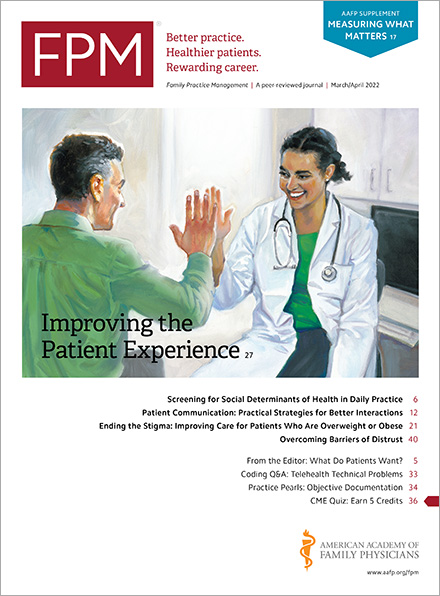
Creating a positive and memorable patient experience is essential for effective healthcare delivery. It involves more than just clinical expertise; it encompasses every interaction a patient has within the healthcare system, from the moment they schedule an appointment until follow-up care. When clinicians and their teams implement thoughtful, practical steps, they can foster trust, improve communication, and promote better health outcomes. This comprehensive guide explores key strategies to elevate the patient encounter, emphasizing the importance of teamwork, organization, and personalized care.
Patients come into the clinic with expectations of being heard, respected, and actively involved in their health decisions. Small adjustments—such as engaging more fully during visits, using clear language, and ensuring timely follow-up—can significantly influence their overall experience. Implementing these approaches not only benefits patients but also enhances clinician satisfaction and operational efficiency, aligning with the Quadruple Aim of healthcare improvement.
Why Improving the Patient Experience Matters
Enhancing how patients perceive their care is foundational to delivering high-quality healthcare. A focus on patient-centeredness correlates with better adherence to treatment plans, higher satisfaction scores, and improved health outcomes. By continuously monitoring the entire patient journey, providers can identify systemic issues like communication gaps, delays in test results, or inefficient workflows. Addressing these challenges results in a more seamless, compassionate, and effective care process that benefits everyone involved.
Investing in patient experience also supports provider well-being by reducing burnout and fostering a more rewarding clinical environment. For additional insights on how innovative therapies are transforming mental health and other fields, visit the latest developments in immersive therapy.
14 Tips for a Better Patient Experience
1. Share the Workload
Delivering an exceptional patient experience is a team effort. Every member of the healthcare team, from receptionists to nurses and medical assistants, influences the patient’s perception of care. Patients interpret their entire visit experience based on interactions with all staff, so it’s vital that everyone is trained to provide courteous, efficient, and empathetic service. Regular team huddles and staff meetings should reinforce the importance of patient-centered care, ensuring accountability across the board. When the entire team collaborates effectively, the overall experience becomes more cohesive and positive.
2. Be Flexible with Scheduling and Visit Modalities
Flexibility in appointment scheduling demonstrates responsiveness to patient needs. When patients face conflicts or urgent concerns, try to accommodate them with a positive attitude. This might mean offering early morning, evening, or weekend slots, or leveraging telehealth options to improve access. Telemedicine has become a valuable tool for expanding care options, especially in busy practices. Additionally, involving nonphysician providers like nurses or physician assistants can help distribute workload and improve access, ensuring patients receive timely attention without sacrificing quality.
3. Maintain Punctuality and Manage Time Effectively
Staying on schedule can be challenging but is crucial for patient satisfaction. Review daily schedules with your team to allocate appropriate time for each appointment. Starting each visit with a clear agenda helps set expectations and keeps discussions focused. When delays are unavoidable, inform patients promptly and offer rescheduling options when necessary. If delays exceed 15 minutes, a quick apology and explanation can help preserve trust. Regularly evaluating panel sizes and staffing levels can also improve overall clinic flow. For insights into how to optimize your schedule, see how virtual reality training is revolutionizing surgical education at https://codemedapps.dev/training-the-surgeons-of-tomorrow-with-virtual-reality/.
4. Prepare Through Pre-Visit Planning
Thorough pre-visit preparation is especially critical for new patients. Familiarizing yourself with their medical history, social context, and previous test results demonstrates dedication and reduces chaos during the encounter. Staff can assist by organizing charts, obtaining recent labs, and identifying care gaps beforehand. Utilizing your electronic health record (EHR) to keep problem lists current streamlines review and facilitates more organized visits. When everyone on the team works at the top of their skills, the patient experiences smoother, more focused care.
5. Be Fully Present During the Encounter
Engaging fully during patient visits fosters trust and understanding. Sit down with the patient, face them directly, and avoid distractions such as excessive computer use. Maintaining eye contact and giving undivided attention signals respect and care. Numerous studies show that patients perceive they receive more time and attention when clinicians are attentive and undistracted, even during brief visits. Fully present communication helps patients feel heard, valued, and more likely to share important concerns.
6. Initiate with Open-Ended Questions
Starting the conversation with questions like “How have you been since our last visit?” invites patients to share their story and set the tone for a collaborative encounter. Allow them to discuss what matters most before diving into specific issues. If multiple concerns arise, use agenda-setting techniques to prioritize topics for the current visit, scheduling less urgent matters for future appointments. This approach builds rapport and ensures key issues are addressed effectively.
Interesting:
7. Foster Patient Involvement in Care Decisions
Empowering patients to participate actively in their health choices enhances trust and compliance. Transitioning from a prescriptive model to one that values shared decision-making respects patient autonomy and encourages engagement. Clearly explaining options, listening to patient preferences, and discussing potential outcomes help build a partnership. When patients feel involved, they’re more likely to follow through with treatment plans and feel satisfied with their care.
8. Use Clear, Simple Language
Medical jargon can create confusion and hinder understanding. Use plain language—such as “fast heartbeat” instead of “tachycardia”—and explain test results in straightforward terms. Encourage questions and invite patients to speak up if they do not understand. Tailoring your language based on the patient’s health literacy level ensures they grasp critical information and feel comfortable participating in their care. Familiarity with their background allows family physicians to customize communication effectively.
9. Communicate Beyond the Visit
Effective communication extends after the appointment ends. Providing concise visit summaries with instructions, medication changes, and follow-up plans helps reinforce understanding. Sending these summaries through patient portals or printing them out makes information accessible. Utilizing the teach-back method—asking patients to repeat instructions—ensures comprehension and reduces errors. When patients are well-informed, they are more confident and engaged in managing their health.
10. Approach Patient Differences with Respect
Patients may hold opinions or make choices that differ from clinical recommendations. Responding with judgment or cynicism diminishes trust. Instead, maintain an open, respectful attitude, listen attentively, and seek to understand their perspectives. Motivational interviewing techniques can help explore ambivalence and identify small steps toward change. Creating a welcoming environment encourages honest dialogue and fosters a therapeutic alliance, even when opinions differ.
11. Remember and Personalize Details
Using the EHR to note personal details—such as hobbies, family, or personal milestones—strengthens rapport. When you recall that a patient is a volleyball player or has a beloved pet, and mention it during visits, it conveys genuine interest and care. Recognizing birthdays or preferred names also demonstrates attentiveness. Personalized interactions foster trust and make patients feel valued beyond their medical conditions.
12. Follow Through and Coordinate Care Efficiently
Timely responses to phone messages, refill requests, and test results reflect professionalism and dedication. Delegating tasks appropriately to staff allows clinicians to focus on clinical decision-making. Ensuring that care is well-coordinated—such as contacting specialists or reconciling medication lists—streamlines processes and reduces errors. This proactive approach shows patients that their health is a priority and enhances overall satisfaction.
13. Personally Communicate Sensitive or Complex Results
When results are concerning or require significant explanation, a direct phone call or in-person discussion is preferable over messages or emails. This personal touch minimizes misunderstandings and shows that you care about their well-being. Providing comprehensive support during these conversations helps patients process difficult news and plan next steps effectively.
14. Use EHR Reminders for Follow-Up
Setting reminders in your electronic health record ensures timely follow-up on test results, medication adjustments, or upcoming appointments. Automated alerts can prompt staff to reach out to patients or schedule necessary services, reinforcing continuity of care. Demonstrating consistent follow-up builds trust and shows your commitment to their long-term health.
The Heart of Primary Care
Ultimately, the most rewarding aspect of improving the patient experience is establishing a trusting relationship rooted in respect, understanding, and personalized care. Patients are more than a list of symptoms; they are individuals with stories, fears, and hopes. By embracing core principles like accessibility, continuity, and comprehensive, compassionate care, clinicians can make a lasting difference in their patients’ lives. This approach not only enhances patient satisfaction but also enriches the clinician’s professional fulfillment.
For further insights into how innovative approaches are transforming healthcare, explore the intersection of sports and virtual reality and the evolving role of artificial intelligence in medicine at AI in healthcare, pharmaceuticals, and sports.