






Enhancing Emergency Response with the Interagency Triage System
 December 27, 2025
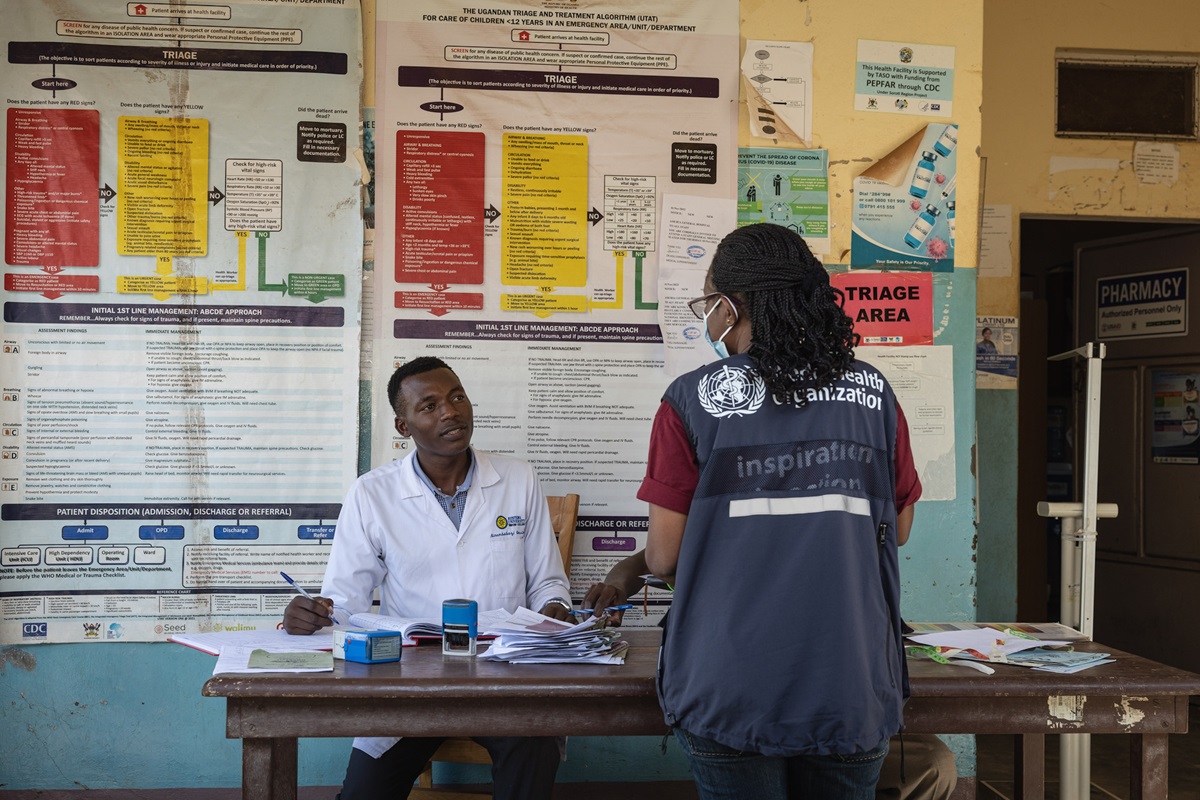
Efficient patient assessment and prioritization are essential components of effective emergency medical care. The process of acuity-based triage involves categorizing patients based on the urgency of their medical needs, ensuring that those requiring immediate attention receive prompt intervention, while others can safely wait. This approach is widely adopted across various healthcare settings, from pre-hospital ambulance services to busy outpatient clinics and hospital emergency units. Implementing standardized triage protocols not only streamlines clinical workflows but also improves patient outcomes and optimizes resource allocation during critical situations.
The Interagency Integrated Triage Tool (IITT) represents a collaborative effort among WHO, the International Committee of the Red Cross (ICRC), and Médecins Sans Frontières (MSF), designed to harmonize triage procedures across different health systems. This tool offers a comprehensive set of protocols suitable for routine assessments and mass casualty incidents (MCIs). It integrates and updates previous WHO guidance, facilitating consistent patient sorting by acuity using a simple three-color coding system: red for high priority cases needing immediate care, yellow for moderate cases that require prompt attention, and green for low-acuity patients who can wait. Such standardization is critical in emergency settings, where rapid decision-making saves lives and resources.
Routine Triage
Under normal operational conditions, the IITT provides tailored tools for different age groups. There is a specific protocol for adults and older children (age ≥12 years), as well as a separate guide for children under 12. Additionally, a reference card highlights high-risk signs that necessitate urgent attention. These resources support healthcare providers in quickly identifying critically ill patients and initiating appropriate interventions, thereby enhancing the efficiency of emergency responses. For further insights into how digital innovations are transforming health data management, visit from molecules to market the new era of pharmaceutical visualization.
Mass Casualty Triage
Mass casualty incidents overwhelm healthcare facilities with multiple patients, often with varying degrees of severity. The MC – IITT provides a structured approach for patient prioritization during such crises, ensuring that limited resources are allocated effectively. This guidance helps responders determine which patients need immediate resuscitation and which can be stabilized or treated later, thereby maximizing survival chances across large patient groups. Preparedness for MCIs is vital for health systems, and adopting standardized tools like the mass casualty triage system can significantly improve crisis response. To understand more about how health systems are evolving with digital tools, explore everything you need to know about emr systems in healthcare.
Interesting:
- Enhancing emergency preparedness with the hospital incident command system
- Implementing the hospital incident command system hics a guide for healthcare emergency preparedness
- Enhancing support for healthcare workers the next steps beyond bonuses
- Enhancing clinical documentation 10 proven strategies with practical examples
Visual Aids and Educational Materials
Effective communication in emergency settings is supported by visual aids such as posters, which depict triage procedures tailored for different age groups and incident types. These materials, often in large formats like A0 posters, help ensure consistent application of triage principles among diverse healthcare teams. The posters incorporate guidance from the IITT and WHO’s Basic Emergency Care manual, emphasizing early recognition and resuscitation protocols. Such resources are invaluable in fast-paced environments where clear, accessible information can accelerate decision-making. In recent advancements, artificial intelligence is transforming diagnostic accuracy and resource management, highlighting the importance of the advantage factor how is ai helpful in healthcare diagnosis.
Supporting Resources and Further Reading
Additional tools and references are available to assist healthcare providers in implementing triage protocols effectively. These include equipment checklists for triage areas, FAQs on the IITT, and guidance notes for mass casualty management. Access to these resources ensures that emergency teams are well-prepared and can maintain high standards of care during both routine operations and large-scale crises. For a broader understanding of how integrated health services operate globally, visit integrated health services.
—
Note: All external links are integrated thoughtfully to provide further insights into health data management, emergency care systems, and technological advancements in healthcare diagnostics, supporting the overarching goal of improving patient outcomes through standardized triage practices.