Enhancing Emergency Preparedness with the Hospital Incident Command System
 December 23, 2025
Hospitals across the United States and around the world face ongoing operational and fiscal challenges daily. Effectively managing emergencies—whether they stem from external events like earthquakes, fires, or floods, or internal incidents such as utility failures, child abductions, or workplace violence—is critical. To ensure a rapid and coordinated response, hospitals dedicate substantial time and resources to developing comprehensive emergency plans and training personnel. Recognizing the importance of structured incident management, the California Emergency Medical Services Authority (EMSA) has expanded the Hospital Incident Command System (HICS) Program Guidance and related resources. These materials, including informative documents, presentations, and lessons learned, are designed to assist healthcare organizations in refining their emergency response strategies. For additional insights into emergency planning, visit this resource on healthcare data security.
The core purpose of the Hospital Incident Command System (HICS) is to provide a standardized incident management approach tailored specifically for healthcare facilities. Based on the principles of the Incident Command System (ICS), HICS helps hospitals enhance their preparedness, response, and recovery efforts during unplanned and planned events. Its framework aligns with the National Incident Management System (NIMS), ensuring consistency and interoperability across various agencies and organizations. By adopting HICS, hospitals can better coordinate their response efforts, streamline communication, and allocate resources efficiently during crises. This system benefits a wide array of response personnel, including physicians, nurses, administrators, and community partners such as public safety agencies and local health departments. Emergency management students also find the structured tools and practices invaluable for understanding healthcare incident response. To deepen your understanding of how technology influences healthcare operations, explore the impact of artificial intelligence.
HICS Vision
California EMSA aims to inspire hospitals and healthcare organizations to advance their emergency preparedness and response capabilities. Through comprehensive guidance, technical assistance, and specialized training, EMSA supports facilities in strengthening their emergency management programs. The ultimate goal is to foster a culture of resilience and readiness across healthcare systems.
HICS Leadership
EMSA leads efforts to promote widespread adoption and effective implementation of HICS. The organization continuously works to maintain high training standards and encourages hospitals nationwide to incorporate this incident command framework into their emergency response protocols. Achieving universal HICS adoption ensures a unified and efficient approach to managing crises in healthcare settings.
Governance
Under the California Health and Safety Code Division 2.5, Chapter 3, and Section 1797.151, EMSA is mandated to coordinate disaster preparedness efforts for medical and hospital facilities. Additionally, Section 1797.133 authorizes the appointment of expert resource committees and the engagement of specialized medical consultants to support incident management initiatives. These legal frameworks underpin the structured and collaborative approach to healthcare disaster readiness.
Interesting:
HICS Advisory Committee
To guide the ongoing development and refinement of the system, California EMSA has established a HICS National Advisory Committee. This diverse group of professionals provides technical expertise on program implementation, updates, and best practices. Comprising representatives from various hospitals and healthcare organizations—including those with different sizes and service models—the committee’s members bring extensive backgrounds in disaster preparedness, public safety, public health, and emergency management. Their collaborative efforts help ensure that HICS remains responsive to evolving healthcare challenges.
Additional Resources and References
HICS is a globally recognized system, with extensive research and data supporting its effectiveness. The California EMSA’s collection of resources aims to facilitate worldwide implementation and continuous improvement of incident management practices. For more comprehensive information on healthcare incident response strategies, visit this detailed guide on decision support systems in healthcare.
History and Background
Since its development in the late 1980s, the Hospital Emergency Incident Command System (HEICS) laid the foundation for current hospital incident management frameworks in the United States. Over time, HICS has evolved into a vital tool for ensuring coordinated and effective responses to healthcare emergencies. Its principles and practices continue to influence emergency preparedness efforts across the globe.
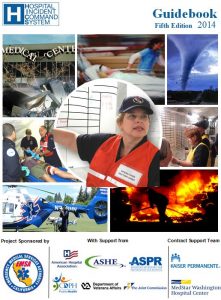
For further details on HICS implementation and training, please refer to the HICS 2014 Guidebook.