


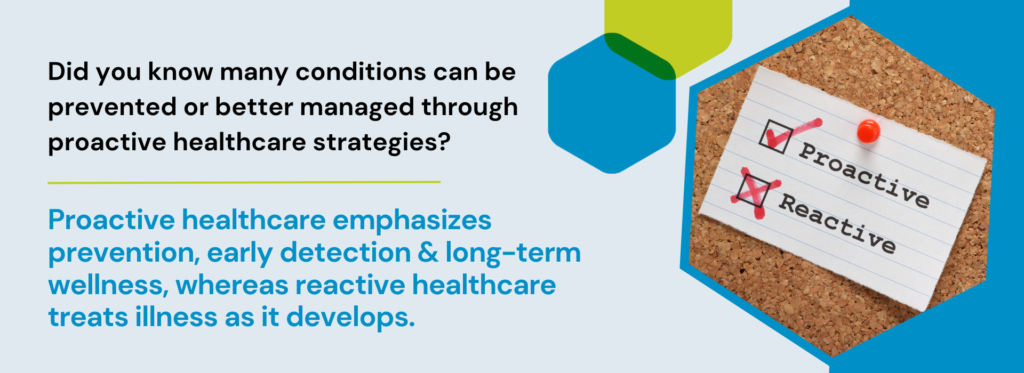
The landscape of healthcare has evolved significantly over recent years, emphasizing not just treatment but also prevention. Many individuals still wait until symptoms manifest to seek medical attention, adhering to a reactive approach. However, a proactive healthcare mindset prioritizes early detection, lifestyle optimization, and long-term wellness. Understanding the fundamental distinctions between these two paradigms empowers individuals to make informed decisions about their health, potentially leading to better outcomes and increased longevity.
What is Proactive Healthcare?
Proactive healthcare centers around anticipating health issues before they develop into serious problems. This method involves a comprehensive approach that includes regular health assessments, advanced diagnostics, and personalized interventions. By identifying risk factors early, patients can implement strategies to mitigate potential health concerns.
Key components of proactive care include:
- Early detection of health risks: Utilizing regular screenings and cutting-edge diagnostic tools to monitor vital health indicators.
- Lifestyle modifications: Incorporating tailored nutrition plans, exercise routines, and stress management techniques to promote overall well-being.
- Regenerative medicine: Employing innovative treatments such as stem cell therapy and other regenerative techniques to support the body’s natural healing processes. If you are experiencing persistent pain or injuries, exploring regenerative options can significantly aid recovery.
- Hormonal balance management: Using age-specific hormone optimization strategies to maintain vitality and prevent age-related decline.
Implementing these proactive measures can lead to improved quality of life, reduced dependence on medications, and decreased long-term healthcare costs. For a deeper understanding of roles in healthcare, exploring what a healthcare data analyst does can reveal how data-driven insights support preventive strategies.
What is Reactive Healthcare?
Reactive healthcare is a traditional model that responds to health issues only after they have manifested. This approach generally involves treatment once symptoms appear or conditions worsen, often relying heavily on medications, surgeries, and emergency interventions.
Core aspects of reactive care include:
- Treatment of symptoms: Addressing health problems after they disrupt daily life.
- Emergency care: Providing urgent interventions for accidents, infections, or acute illnesses.
- Limited focus on prevention: Often neglecting routine screenings or lifestyle adjustments that could prevent future issues.
While reactive care is vital for managing sudden illnesses or injuries, over-reliance on this model can contribute to higher healthcare expenditures and potentially poorer health outcomes over time. The importance of integrated health data, like claims information, is highlighted in resources explaining what claims data in healthcare reveals about patient management.
The Cost of Waiting: Why Proactive Healthcare Matters
Statistics from the Centers for Disease Control and Prevention (CDC) indicate that six out of ten adults in the United States live with at least one chronic disease, and nearly half have multiple conditions. Many of these, including heart disease and type 2 diabetes, could be prevented or better managed through proactive health strategies.
Choosing a proactive approach offers numerous benefits:
- Cost savings: Reducing emergency visits and hospital stays by addressing health risks early.
- Improved health outcomes: Detecting issues before they become severe allows for timely intervention.
- Enhanced longevity and vitality: Personalized treatments, regenerative therapies, and lifestyle adjustments support a more active, healthier life.
Innovations like artificial intelligence are also transforming healthcare. Discover how AI is aiding in healthcare to see how technology can support proactive health management.
Interesting:
Incorporating Proactive Healthcare Into Your Routine
Transitioning from reactive to proactive health management doesn’t have to be daunting. Small, consistent steps can make a significant difference:
- Schedule regular health screenings: Routine checkups enable monitoring of key biomarkers and early detection of potential issues.
- Adopt personalized wellness plans: Tailor your nutrition, exercise, and stress reduction strategies to your unique needs.
- Explore regenerative medicine options: Treatments like stem cell therapy can promote healing and recovery when necessary.
- Partner with a concierge medical provider: Working with dedicated healthcare professionals ensures ongoing, personalized care tailored to your longevity goals.
Making these changes can help you stay ahead of potential health problems and enjoy a more vibrant, extended life.
FAQs
What does it mean to practice proactive healthcare?
Proactive health management involves preventive measures such as regular screenings, lifestyle modifications, and early interventions aimed at maintaining long-term health.
How does reactive healthcare differ?
Reactive care addresses health issues after symptoms appear, often involving treatments like medications or surgeries to manage existing conditions.
Why is a proactive approach more advantageous?
Early detection and prevention reduce the risk of severe health problems, lower healthcare expenses, and generally improve quality of life.
Can both approaches be integrated?
Absolutely. Combining proactive strategies with reactive treatment ensures comprehensive care—preventing issues when possible and effectively managing them when necessary.
What steps can I take to embrace more proactive health habits?
Scheduling routine wellness checkups, leveraging advanced diagnostics, and consulting with specialists, such as longevity doctors, can guide you toward a more preventive health plan.
At ThriveMD, we emphasize proactive healthcare through regenerative medicine, hormone optimization, and age management strategies. Our concierge model provides personalized, ongoing care designed to help you maintain peak health and long-term vitality instead of merely reacting to illness. If you’re ready to move toward a preventative approach, understanding the importance of data integration in healthcare can further empower your journey.
Take the first step toward a healthier, longer life. Schedule a consultation today.