






Comprehensive Healthcare Services and Support in Scotland
 December 23, 2025
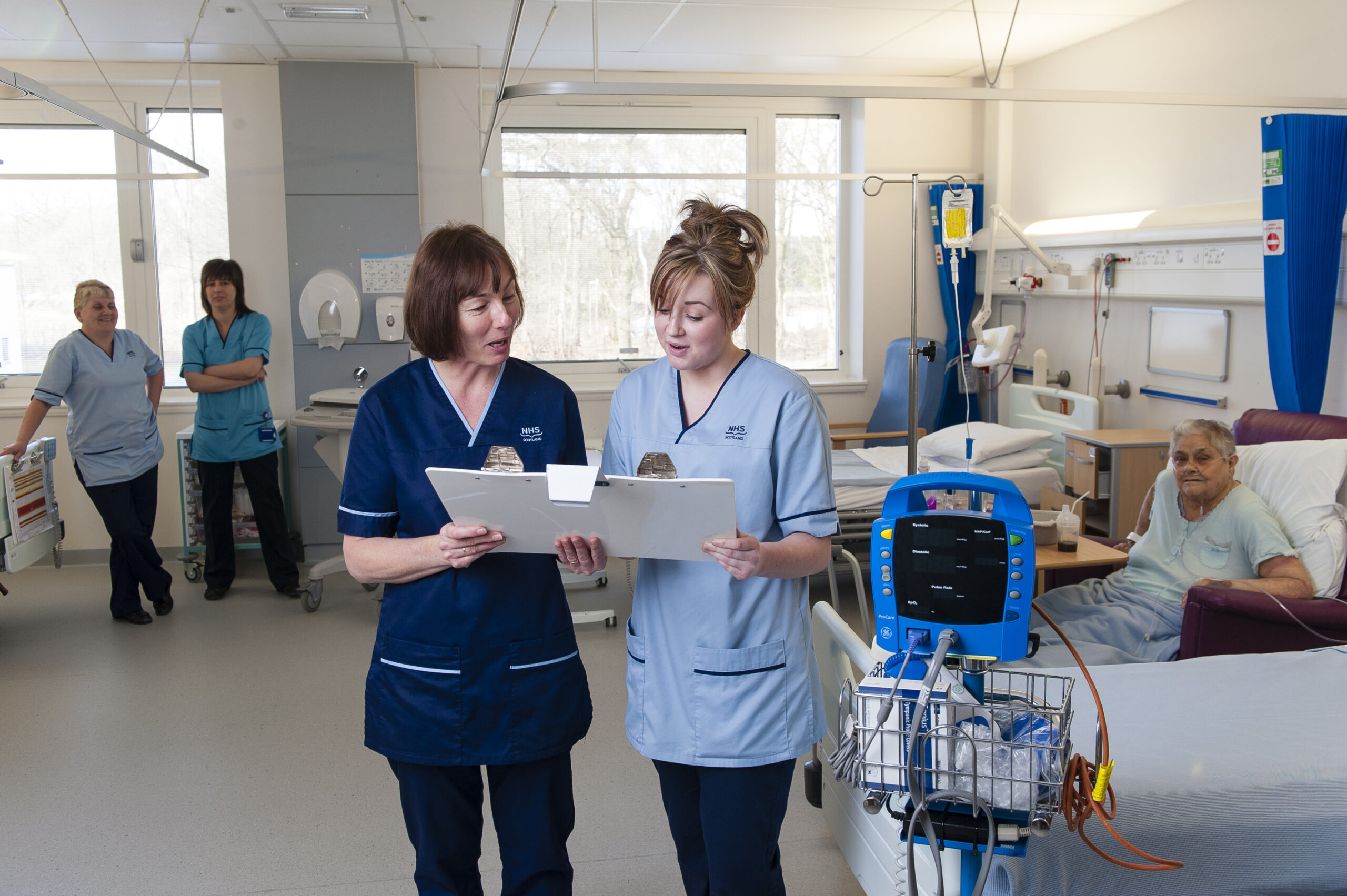
Providing high-quality healthcare is a fundamental priority in Scotland, ensuring that all residents have access to the medical services they need, regardless of their financial situation. From the historic establishment of the NHS in 1948 to ongoing innovations, Scotland’s health system is designed to promote well-being, prevent illness, and support individuals throughout their lives. This guide covers the structure, services, and support systems available, helping you understand how healthcare functions across the country and how to access the care you need.
Overview of Scotland’s Healthcare System
Scotland’s healthcare is primarily delivered through the National Health Service Scotland (NHS Scotland), a needs-based system that guarantees treatment based on medical necessity rather than ability to pay. The system is rooted in a long-standing commitment to public health, with origins dating back to the Highlands and Islands Medical Service of 1913, which provided free medical care to remote and underserved communities long before the NHS was established. NHS Scotland continues to innovate and improve healthcare services, emphasizing equitable access and quality care.
One notable milestone was in 2011, when Scotland became the only part of the UK to abolish prescription fees, ensuring that essential medicines are freely available to all residents. NHS Scotland’s mission is to create a healthier society by providing comprehensive medical services, preventive care, and health promotion initiatives. For more information, visit NHS Inform.
Find out about healthcare services available near you through Scotland’s Service Directory (nhsinform.scot).
Immigration and Healthcare Access
Visa applicants in Scotland may need to pay a healthcare surcharge as part of their immigration process, known as the immigration health surcharge (IHS). This fee entitles you to access NHS services free of charge from the moment your visa becomes active. Whether you are applying for a work, study, or family visa, understanding the rules around healthcare payments is crucial.
For detailed guidance, see the UK government’s information on the immigration health surcharge.
What Healthcare Services Are Available?
Most NHS services in Scotland are funded through taxation, making them free at the point of use for residents. If you are employed, self-employed, or studying full-time, you and your immediate family are generally entitled to receive free healthcare. This includes essential services such as emergency treatment, family planning, and care for infectious diseases. General practice services, provided by local family doctors (GPs), are also free, ensuring easy access to medical advice and routine care.
Some services may require payment, such as certain dental and optical treatments, although eye examinations are free in Scotland. Prescriptions written outside Scotland, for example in England, might also incur charges. To find more about general practice services, visit NHS Inform.
Registering with a Family Doctor
In Scotland, family doctors are known as General Medical Practitioners (GPs). They are the primary point of contact for medical issues, providing comprehensive care and referring patients to specialists when necessary. GPs work in local clinics, health centres, or surgeries, and registering with a GP should be a priority upon your arrival. This ensures continuity of care and access to a wide range of health services.
Students are usually assigned a local GP through their university. To register with a practice, visit NHS Inform’s guide.
24/7 Medical Advice and Emergency Care
For non-emergency health concerns outside regular hours, NHS 24 offers a free helpline reachable by calling 111. This service provides medical advice and can direct you to appropriate local services if needed. In urgent situations where someone’s life is at risk, dial 999 immediately to access emergency medical services.
NHS 24 also offers advice for minor illnesses and health concerns around the clock, helping you get the right care at the right time.
Sexual Health and Blood-Borne Virus Services
Scotland provides free sexual health and blood-borne virus services, including testing, treatment, and access to prevention supplies such as condoms and HIV prevention medication. These services are confidential and accessible regardless of your immigration status, emphasizing Scotland’s commitment to public health and equality.
Interesting:
You can request blood tests for HIV and hepatitis from your GP or book appointments online through NHS Inform. If treatment is necessary, specialist clinics will provide dedicated care. For more details on HIV and other blood-borne viruses, visit NHS Inform.
Private Healthcare Options
While NHS services cover most healthcare needs, private healthcare is also available for those seeking quicker access or specialized treatments. Private care in Scotland is typically paid for through private insurance plans or out-of-pocket payments. It offers additional options and amenities but comes at a higher cost compared to NHS services.
Support for Disabled Individuals
Scotland strives to ensure equal opportunities for disabled people, offering a range of services to support education, employment, social care, and legal rights. Assistance includes equipment adaptations, personal care services, and advocacy to promote independence. Learn more about your rights and available support at disabilityscot.org.uk.
Social Care Services
Social care involves support for daily living tasks, tailored to those who are older, disabled, or recovering from illness. Managed by local councils, social care includes personal assistance, help at home, and programs promoting independent living. To determine your eligibility, councils conduct free assessments to understand your needs. Find out more about available social care services at Citizens Advice.
Support extends to children requiring additional help, with local authorities providing tailored services for families and young people in need of care.
Dental Care Services
NHS dental treatment in Scotland covers routine check-ups, fillings, and other dental procedures. All residents are entitled to free dental examinations, with costs for treatments generally subsidized by the NHS. Certain groups, such as those under 26, pregnant women, or benefit recipients, qualify for free or reduced-cost treatment.
Registration with a local NHS dentist is essential, and availability can vary due to high demand. When choosing a dentist, confirm if they accept NHS patients. You can locate your nearest NHS dental practice on NHS Inform. If NHS options are limited, private dental care remains an alternative, but it is more costly.
Working and Joining NHS Scotland
The NHS Scotland employs a diverse workforce across various professions, with opportunities for both local and international healthcare professionals. The system values qualified staff from outside the UK and encourages applications from those seeking to contribute to Scotland’s health services.
Mental Health Support
Scotland offers extensive mental health support through community and digital services. Local community-based programs provide in-person assistance for children, young people, and adults, ensuring accessible mental health care across the country. For those preferring online resources, sites like Mind to Mind and Parent Club offer advice, coping strategies, and mental wellbeing information.
Digital platforms also include resources like Aye Feel and Mind Yer Time, designed to support young people’s mental health and resilience. Employers are encouraged to promote mental wellbeing through initiatives like Supporting a Mentally Healthy Workplace, which provides free resources and guidance.
Promoting Mental Wellbeing
Enhancing mental health is a national priority, with initiatives aimed at reducing stigma and ensuring access to support. Scotland’s commitment includes removing barriers to care and fostering open conversations about mental health challenges.
Period Dignity
Scotland leads globally by providing free period products to all who need them, reinforcing its dedication to gender equality and social justice. This legislation ensures that period dignity is recognized as a basic human right, contributing to a fairer society for everyone.
For further information, visit NHS Inform or contact your local health services. Access to healthcare in Scotland is built on principles of fairness and inclusivity, ensuring that everyone can live healthier, more connected lives.