


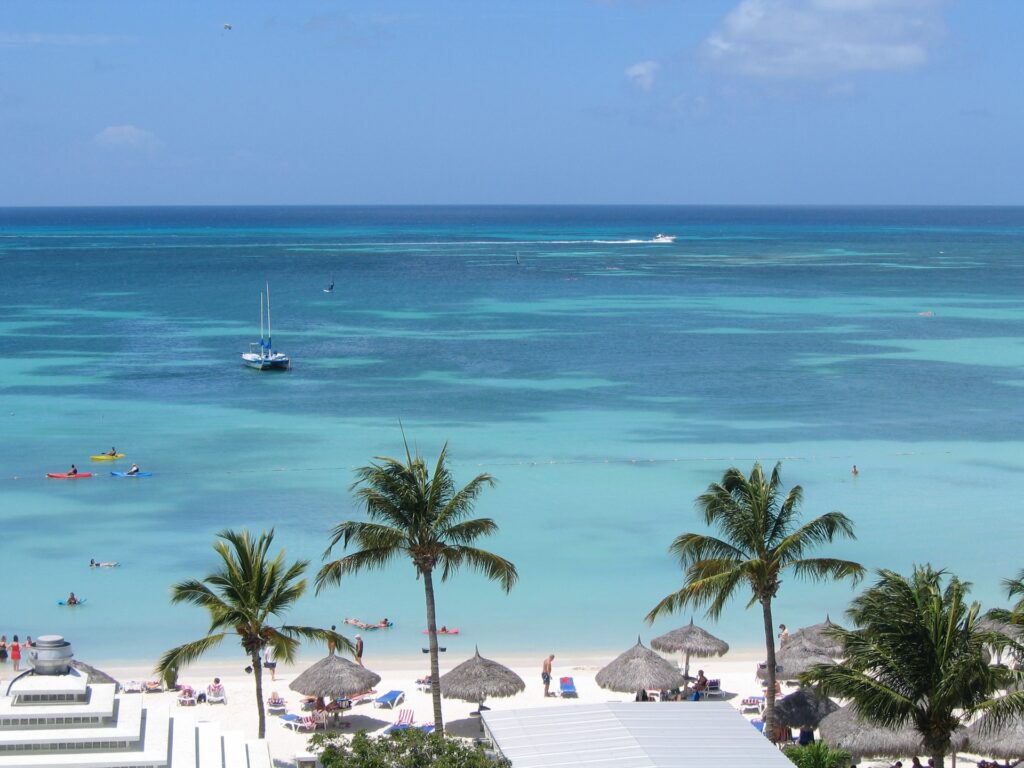
Aruba, known for its stunning white beaches and crystal-clear waters, attracts countless visitors and new residents each year. Beyond its natural beauty, the island offers a surprisingly robust healthcare system that caters to both locals and expatriates. Whether you’re planning a temporary stay or considering long-term residence, understanding how healthcare operates in Aruba and what insurance options are available is essential for peace of mind. This guide explores Aruba’s medical infrastructure, public and private healthcare services, emergency response protocols, and the best international insurance plans suited for expats living on the island.
Although many North Americans pursue medical training at Caribbean institutions, the overall quality of healthcare varies across the region. Thankfully, Aruba stands out with one of the most advanced healthcare systems in the Caribbean, providing residents with access to quality medical services. In cases of severe illness or emergencies requiring specialized treatment not available locally, patients can be airlifted to facilities in nearby countries. However, such air evacuations are costly, making comprehensive international health insurance a wise choice for expats, digital nomads, and long-term visitors who want comprehensive coverage without financial strain.
The Centers for Disease Control and Prevention (CDC) offers valuable information about recommended vaccinations and health precautions to consider before traveling to Aruba, which can help ensure a safe and healthy stay.
Overview of Aruba’s Healthcare System
While Aruba boasts one of the most reputable healthcare systems in the Caribbean, it also faces certain health challenges, notably a high prevalence of diabetes. The island’s thriving tourism industry means many residents and visitors have access to a variety of food options, including convenience foods and fast food. Despite the availability of fresh produce, traditional Aruban cuisine often includes deep-fried dishes, contributing to health issues like obesity and diabetes. Promoting healthier lifestyle choices remains a challenge for the local health authorities.
How the Aruban Healthcare System Serves Expats
For expatriates residing in Aruba, access to healthcare is generally reliable and comprehensive. In the event of emergencies, illnesses, or accidents, residents can depend on four main medical centers across the island: Dr. Horacio Oduber Hospital in Oranjestad, Centro Medico Rudy Engelbrecht in San Nicolas, MedCare Clinic in Noord, and a private Urgent Care Clinic also located in Noord. Should a patient require specialized treatment beyond what is available locally, they can be airlifted via medical evacuation services. As a result, many expats and digital nomads opt for private health insurance plans that cover emergency transportation and medical costs, ensuring seamless access to quality care when needed.
Public Healthcare in Aruba
Aruba’s public health system provides a range of services, including mental health and general medical care. Multiple departments oversee various aspects of health, such as Infectious Diseases, Youth Dental Care, Pharmaceutical Affairs, Labor Health Services, and Ambulance Operations. The country’s Medical Center in San Nicolas serves as a key emergency and outpatient facility. The public healthcare coverage is delivered through a tiered system, with primary care primarily handled by family doctors. Patients are typically referred to Dr. Horacio Oduber General Hospital, which has a capacity of 288 beds and an occupancy rate of about 79%. The island’s laboratories are equipped with cutting-edge analytical instruments, supporting accurate diagnostics and treatment.
Interesting:
Private Healthcare Facilities
Most private clinics in Aruba offer immediate and specialized medical assistance, often with shorter wait times. These clinics handle a variety of health issues ranging from eye, ear, and nose infections to more complex conditions involving pulmonary, renal, cardiovascular, and gastrointestinal systems. The primary language spoken in private healthcare institutions is Dutch, but staff are often multilingual, with Spanish, German, and French also commonly spoken, facilitating communication for international residents.
Emergency Medical Services
In case of a medical emergency, residents and visitors should dial 911 to access Aruba’s emergency response system. Hospitals and clinics maintain 24/7 emergency departments staffed by experienced physicians. Many facilities also provide wheelchair accessibility and other accommodations to assist patients in critical situations. It’s recommended for expats to familiarize themselves with local emergency procedures and ensure their health insurance plan covers emergency transport services.
Pharmacies and Medication Access
Pharmacies across Aruba generally operate during standard business hours, with some closing on Sundays, holidays, or late evenings. The island’s pharmacies are well-stocked with a wide range of medications. Skilled pharmacists can often recommend suitable alternatives if a prescribed medication is unavailable. Additionally, there are several suppliers of essential medical equipment, ensuring residents have access to necessary supplies when needed.
Best International Medical Insurance Plans for Expats in Aruba
For expatriates moving to Aruba, comprehensive international health insurance is crucial to cover medical expenses incurred at private hospitals and clinics, as well as for emergency evacuations to facilities abroad. Plans offered by providers like Cigna Global and Allianz International are widely accepted by healthcare providers across the island. When selecting a policy, it’s important to compare coverage options, premiums, and the scope of services to find the best fit for your health needs and budget. Such insurance ensures access to prompt, quality care without the burden of unexpected medical costs.
In summary, Aruba offers a high standard of healthcare, with a mix of public and private services that can accommodate the needs of expatriates. Ensuring you have appropriate international coverage will help you enjoy the island’s beauty confidently and safely.