






Comprehensive Guide to Healthcare and Health Insurance for Expats in Austria
 December 23, 2025
Navigating the healthcare system in a foreign country can be complex, especially when it comes to understanding your insurance options and entitlements. Austria offers a well-structured healthcare system primarily funded through social contributions. For expats, knowing how to access healthcare services, the differences between public and private insurance, and the requirements for registration can significantly ease your stay in this beautiful Alpine nation.
How Does the Austrian Healthcare System Operate?
Austria’s healthcare system is one of the most efficient in Europe, providing comprehensive medical services to residents and visitors alike. The system is primarily financed through social contributions, which are deducted from residents’ earnings via taxes and payroll deductions. These contributions fund the national health insurance scheme, ensuring that most medical costs are covered for those registered with the system.
When you move to Austria, your initial step is registering for health insurance—either through your employer or independently if you are self-employed or unemployed. Once registered, you receive an electronic health card, known as an e-card, which acts as proof of your entitlement to healthcare services across the country. This card contains your personal data and is linked to Austria’s digital social administrative system, facilitating smooth access to medical care. If you are covered by private insurance, your provider will issue a corresponding card with your policy details.
In the event of illness or injury, you can visit any healthcare provider, including hospitals and clinics, by presenting your e-card or private insurance card. The Austrian healthcare system allows you to consult contracted doctors or choose private practitioners, with costs reimbursed up to certain limits if you see non-contracted providers. Visiting a doctor with a contract ensures that your expenses are largely covered by your insurance, allowing you to focus on your recovery.
Is Healthcare in Austria Free?
While Austria’s healthcare services are highly accessible, they are not entirely free for everyone. The system offers free or low-cost care primarily for those with low income or no income at all. Expats earning a salary contribute a small percentage—around 7%—of their earnings towards health insurance through social contributions. When seeking medical services, most costs are covered, but there are minor fees such as co-payments for prescriptions or hospital stays, which tend to be quite affordable. This structure ensures that essential healthcare remains accessible to all residents while maintaining sustainable funding for the system.
Registering for Health Insurance as an Expat
Expats have two main avenues for health coverage in Austria:
- Public health insurance, which is mandatory and automatically linked to employment.
- Private health insurance, which offers additional benefits and flexibility.
If employed, your employer will handle the registration process for public insurance, deducting contributions directly from your salary. For self-employed or unemployed individuals, registration is voluntary and can be arranged independently through the relevant insurance providers.
Health Insurance for Employed Expats
For expatriates moving to Austria for work, health insurance is typically included as part of the employment package. Once registered as an employee, your employer will automatically enroll you in the public health insurance system managed by the Austrian Health Insurance Fund (ÖGK). Your contributions, usually around 7.6% of your salary as of 2022, will cover most medical expenses. You will receive an e-card that grants you access to healthcare services nationwide. This seamless process means that health coverage begins immediately upon employment registration, with minimal paperwork involved.
Health Insurance for International Students
Students planning to study in Austria must demonstrate valid health insurance coverage to obtain their visas and enroll at universities. They can choose from several options:
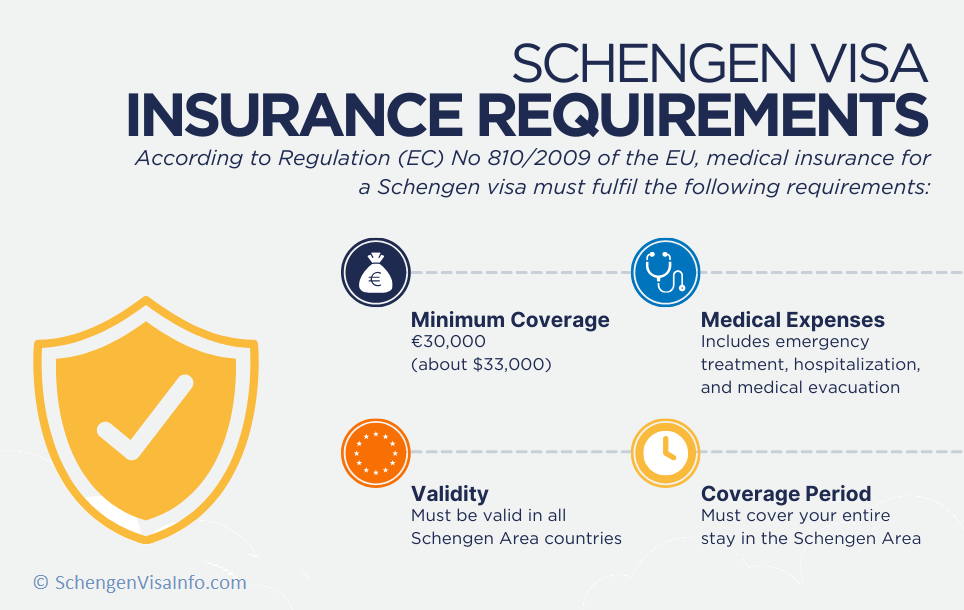
- Travel insurance with a minimum coverage of €30,000, required for short-term studies or visa applications.
- Public health insurance through the ÖGK, which students can register for if their studies last at least one academic year.
- Private health insurance policies tailored for international students, such as those offered by providers like FeelSafe or Care Austria.
To qualify for public student health insurance, applicants need to submit documents including proof of enrollment, a completed application form, and an ID photo. Some countries, including Bosnia and Herzegovina, Croatia, Macedonia, Montenegro, Serbia, and Turkey, have agreements with Austria that automatically grant students access to public coverage.
Interesting:
- Comprehensive guide to healthcare and insurance options for expats in aruba
- Comprehensive guide to healthcare and health insurance in the netherlands
- Comprehensive guide to healthcare and insurance in costa rica
- Navigating healthcare in brazil a comprehensive guide for expats and residents
- Is healthcare free in australia a comprehensive guide to medicare and medical expenses
Self-Employed and Freelance Expats
Self-employed individuals and freelancers must register with the Social Insurance Institution for the Self-employed (SVS), which manages their health coverage. As a self-employed person, you are responsible for paying social contributions, typically around 20% of your income, though this varies depending on earnings. It’s advisable to consult a tax advisor to determine the precise amount due. If you prefer to avoid the public scheme, private insurance options are available through Austrian providers or international insurers, offering tailored coverage and more flexible plans.
Health Insurance for EU/EEA Residents
EU/EEA residents in Austria should carry a valid European Health Insurance Card, enabling access to medical treatment under the same conditions as Austrian nationals. If planning to stay longer than three months, registration with the ÖGK is necessary, and your employer will usually handle this process if you are employed. Self-employed individuals can choose to register voluntarily or opt for private insurance if preferred.
Comparing Costs and Coverage
Public health insurance costs are deducted directly from your salary, with approximately 7% allocated for health coverage. Additional out-of-pocket expenses may include:
| Service | Approximate Cost |
|———|——————|
| Monthly service fee for your e-card | €12.30 |
| Prescriptions, aids, dentures | €6.50 per item |
| Hospital visits (Vienna Healthcare Group) | €11.90 |
Private insurance costs vary depending on the level of coverage, age, and health status. The premiums can range significantly, offering more personalized and extensive coverage options.
Can You Opt Out of Public Health Insurance?
If you are self-employed or voluntarily insured, you can deregister from public health coverage by submitting a formal de-registration request to the ÖGK. However, if you are employed, opting out is generally not permitted, though you can supplement your coverage with private insurance to suit your needs. In case of unemployment, you remain covered by unemployment benefits and social safety nets until you secure new employment.
Main Differences Between Public and Private Insurance
| Aspect | Public Insurance | Private Insurance |
|———|———————|———————|
| Cost | Deducted from salary (~7%) | Monthly premiums based on coverage and health status |
| Coverage | Most medical services, hospital stays, medications | Customized plans, potentially broader or specialized coverage |
| Eligibility | All residents, automatically if employed | Optional, usually for those seeking additional benefits |
| Family Coverage | Co-insurance for family members residing in Austria | Family members can be included, often at additional cost |
| Access to Hospitals | Public and private hospitals; private may require extra payment | Both public and private hospitals, with direct coverage possible |
Understanding these distinctions helps expats make informed decisions about their healthcare options in Austria.
For more detailed insights into healthcare systems worldwide, including comparisons of efficiency and quality, visit this resource. Additionally, if you’re curious about the structure of modern healthcare networks, exploring what constitutes an integrated healthcare system can be very enlightening. Comparing Austria’s system to others can offer perspective on its strengths and areas for improvement, especially when considering different national approaches to universal coverage and efficiency.
Navigating Austria’s healthcare landscape is straightforward once you understand the registration process, coverage options, and costs involved. Whether you are employed, self-employed, or a student, the country provides accessible health services designed to meet diverse needs, making Austria an attractive destination for expats seeking quality medical care.