






Are Nurses Considered First Responders in Emergency Situations?
 December 23, 2025
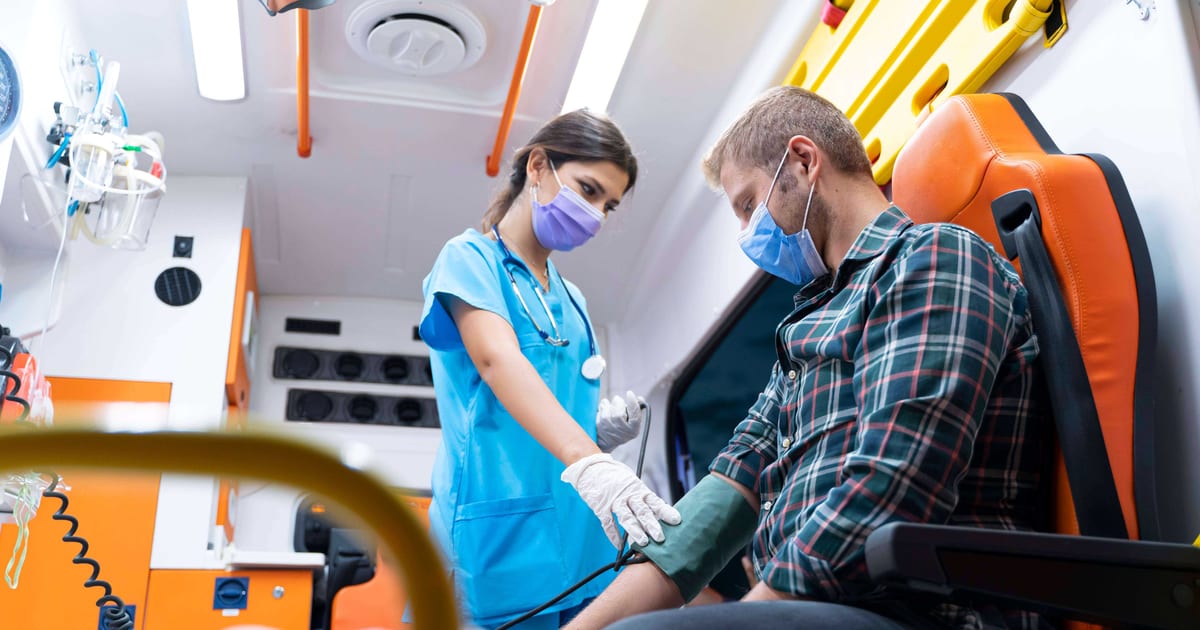
In moments of crisis—whether caused by natural disasters, accidents, or health emergencies—the crucial role played by healthcare professionals becomes evident. Among these professionals, nurses are often at the forefront, providing essential care, support, and stability during some of the most challenging circumstances. But a question frequently arises: should nurses be classified as first responders? This debate hinges on understanding what defines a first responder, the scope of nursing roles, and how their contributions integrate into emergency response systems.
Defining a First Responder
First responders are typically the first individuals to arrive and provide assistance at the scene of an emergency or critical incident. They are trained to handle a wide range of urgent and dangerous situations, with the primary goal of ensuring safety and stabilizing affected individuals. When most people hear “first responder,” they think of:
Paramedics and Emergency Medical Technicians (EMTs): These professionals deliver immediate medical care on-site and during transport, ensuring that patients reach hospitals swiftly.
Firefighters: They combat fires, conduct rescue operations, and sometimes provide emergency medical assistance.
Police Officers: They maintain law and order, assist in crowd control, and offer first aid when necessary.
All these roles require specialized training and equipment designed for rapid, effective intervention in emergencies. Their work is critical in saving lives and preventing further harm.
The Role of Nurses in Healthcare
Nurses form the backbone of the healthcare system, offering continuous, comprehensive care across various settings. Their responsibilities include direct patient care, administering medications and treatments, patient and family education, and collaboration with multidisciplinary teams. They work in hospitals, clinics, schools, and community health centers, often serving as advocates and leaders in healthcare initiatives. Beyond clinical duties, nurses contribute to research, policy development, and health promotion, making their role vital to overall health system resilience.
Nurses in Emergency Situations
During emergencies, nurses are indispensable. They often serve as the first point of contact within healthcare facilities, providing immediate stabilization and life-saving interventions. Their contributions include:
Triage: Prioritizing patients based on the severity of their conditions to ensure those in most urgent need receive prompt care.
Immediate care: Performing resuscitation efforts like CPR, managing trauma wounds, and administering emergency medications.
Coordination with first responders: Collaborating closely with paramedics and EMTs to facilitate smooth patient transfers and continuous care.
Disaster response: During large-scale crises such as natural calamities, nurses may be deployed directly to affected areas to offer medical treatment and psychosocial support.
The Debate: Are Nurses First Responders?
The classification of nurses as first responders remains a subject of ongoing discussion. While their role in emergencies is unquestionable, the traditional definition of a first responder often limits that designation to those arriving first at an incident scene. Reasons supporting and opposing the inclusion of nurses as first responders are outlined below.
Why nurses may be considered first responders:
- Emergency response training: Many nurses undergo specialized training in trauma management, disaster response, and emergency protocols, equipping them with skills comparable to those of paramedics and EMTs.
- Frontline healthcare providers: During pandemics like COVID-19, nurses have been on the front lines, delivering critical care under intense conditions.
- In-field deployment: In certain disaster scenarios, nurses are dispatched alongside paramedics to provide immediate, on-the-spot care.
Why nurses may not be considered first responders:
Interesting:
- Primary work locations: Most nurses operate within hospitals or clinics rather than directly at accident or disaster scenes.
- Scope of practice: Although trained for emergencies, their broader responsibilities include ongoing patient management, education, and advocacy, which extend beyond initial crisis response.
- Regulatory definitions: Many legal frameworks do not explicitly recognize nurses as part of the formal first responder category, affecting their official status during emergencies.
Nurses and Emergency Preparedness
Despite the debate over classification, the importance of nurses in emergency preparedness cannot be overstated. Their extensive training in disaster management, mass casualty incidents, and emergency protocols makes them vital players in crisis scenarios. Many nurses participate in community education programs that promote preparedness, resilience, and effective response strategies. Additionally, their ability to provide emotional and psychological support helps communities cope during and after crises.
Legal and Policy Considerations
Recognition of nurses as first responders varies across jurisdictions. Some states and countries have begun to include nurses within this category, acknowledging their vital contributions during emergencies. For example, certain U.S. states have enacted legislation that designates nurses as first responders, granting them access to resources and support that facilitate rapid response efforts. Nursing associations also advocate for expanded recognition, aiming to improve resource allocation, training opportunities, and policy support for nurses involved in emergency response see how is data analytics used in healthcare.
Training and Certification for Emergency Response
To enhance nurses’ capabilities in emergency management, various specialized training programs are available, such as:
Advanced Trauma Life Support (ATLS): Developed by the American College of Surgeons, this program trains healthcare professionals, including nurses, to effectively manage trauma patients.
Emergency Nursing Pediatric Course (ENPC): Focused on emergency care for children, this certification is offered by the Emergency Nurses Association.
Certified Emergency Nurse (CEN): Offered by the Board of Certification for Emergency Nursing, this credential demonstrates expertise in emergency nursing practices.
Participation in these programs ensures that nurses are prepared to respond effectively in critical situations and may influence their recognition as first responders.
The Evolving Role of Nurses
The scope of nursing continues to expand in response to global health challenges and increasing natural disasters. As frontline healthcare providers, nurses’ contributions during crises highlight the need for their formal recognition as first responders. Such acknowledgment can lead to better resource distribution, more targeted training, and supportive policies that empower nurses to act swiftly and confidently during emergencies.
While the debate persists, it’s clear that nurses play a pivotal role in emergency response, disaster management, and overall community resilience. Recognizing their contributions not only validates their efforts but also enhances the effectiveness of emergency preparedness plans, ultimately saving more lives. As the healthcare landscape evolves, so must our understanding of and appreciation for the vital, multifaceted roles nurses fulfill during critical moments.
Explore opportunities to advance your nursing career with comprehensive resources on nurse job opportunities.
