






Advancing Healthcare Through Big Data Analytics: Current Trends, Innovations, and Future Outlook
 December 29, 2025
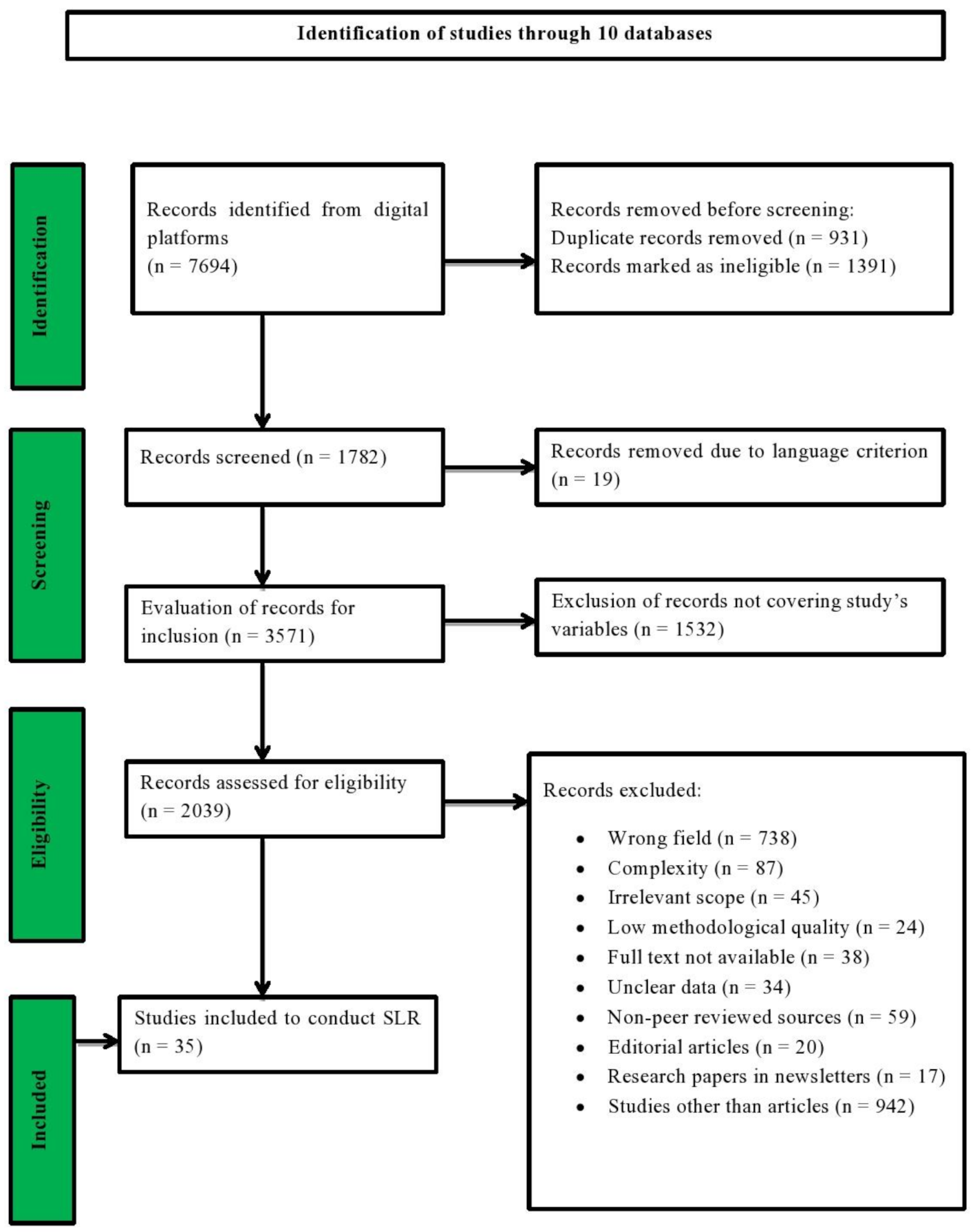
Healthcare remains one of the most critical sectors globally, with immense potential for transformation driven by data-driven technologies. The integration of big data analytics (BDA) has revolutionized how medical information is collected, processed, and utilized, offering unprecedented opportunities to enhance patient outcomes, streamline operations, and inform evidence-based decision-making. As healthcare systems increasingly adopt sophisticated analytical tools, understanding current practices, technological innovations, and future challenges becomes essential for stakeholders aiming to harness the full power of big data in medicine.
Big data analytics in healthcare encompasses a vast array of applications, from improving clinical decision support to managing population health. It involves processing large and complex datasets—such as electronic health records, imaging, genomic data, and real-time sensor information—to derive actionable insights. The field is characterized by rapid technological advancements, including machine learning, blockchain, and cloud computing, which have collectively contributed to more personalized, efficient, and secure healthcare services. However, the adoption of these innovations faces significant hurdles related to data privacy, technical complexity, and resource constraints that must be addressed to realize their full potential.
This review synthesizes current research, highlighting prevalent approaches, emerging innovations, and the strategic challenges encountered by healthcare organizations worldwide. It also explores future prospects, emphasizing the need for standardized data protocols, workforce training, and robust policies to support sustainable integration of big data analytics into health systems. For a comprehensive understanding of how electronic data exchange enhances interoperability and operational efficiency, see explaining electronic data interchange (EDI) in healthcare. Similarly, tracking the journey of pharmaceutical visualization from molecular structures to market illustrates the importance of innovations in data representation, as discussed in from molecules to market: the new era of pharmaceutical visualization.
Current Practices and Applications of Big Data Analytics in Healthcare
The integration of BDA has significantly impacted various facets of healthcare delivery. One primary application is in clinical decision support systems, where analytics enable real-time, evidence-based guidance for clinicians. These tools analyze vast datasets to identify disease patterns, predict patient risks, and assist in early diagnosis, ultimately improving treatment accuracy and reducing errors. Population health management also benefits from big data, as it allows health authorities to monitor disease outbreaks, optimize resource allocation, and develop targeted interventions.
In addition, analytics-driven transformations are evident in electronic health data management, where big data tools enhance interoperability and facilitate comprehensive patient records. Cloud computing has played a pivotal role by providing scalable storage and computational power, enabling healthcare providers to process large datasets efficiently. For insights into how electronic health records are transforming healthcare, visit everything you need to know about emr systems in healthcare. Furthermore, the deployment of machine learning algorithms and artificial intelligence (AI) has revolutionized diagnostic procedures, personalized medicine, and predictive modeling, supporting more precise and patient-centric care.
Technological Innovations Driving Healthcare Data Analysis
The rapid evolution of health information analysis tools has introduced several groundbreaking technologies. Machine learning and AI algorithms are at the forefront, empowering predictive analytics, image recognition, and natural language processing. These systems improve early detection of diseases and support personalized treatment plans, thus enhancing overall healthcare outcomes. For a deeper understanding of AI’s role, see the advantage factor: how is AI helpful in healthcare diagnosis.
Interesting:
- Revolutionizing healthcare through data analytics transformative applications and future trends
- Transforming healthcare through iot innovations benefits and future outlook
- Unlocking the power of healthcare big data key insights and future trends
- Shaping the future of healthcare through innovation and technology
Blockchain technology offers promising solutions for maintaining data integrity and security, addressing privacy concerns inherent in sensitive health information. Blockchain ensures transparent, tamper-proof record-keeping, which is vital for trustworthy health data exchanges. Cloud computing continues to facilitate scalable analytics, enabling health organizations to process and analyze data in real-time. Innovations like federated learning and privacy-preserving algorithms are emerging trends to enable secure, cross-institutional collaborations without compromising patient confidentiality.
Challenges in Implementing Big Data Analytics in Healthcare
Despite the promising advancements, several barriers hinder widespread adoption of big data in healthcare. Chief among these are data privacy and security concerns, as healthcare data is highly sensitive and susceptible to breaches. Developing robust privacy protocols and security standards is critical to maintaining patient trust. Technical challenges also abound, including data heterogeneity, unstandardized formats, and the unstructured nature of many datasets, which complicate integration and analysis.
Resource limitations pose another significant hurdle. Implementing advanced analytics requires substantial financial investment, skilled personnel, and infrastructural upgrades—resources that many healthcare providers lack. Resistance to change among healthcare professionals, who may be unfamiliar with or skeptical of new technologies, further impedes progress. For a detailed account of these barriers, see the impact factor: how is AI helpful in healthcare diagnosis.
Future Directions and Strategic Recommendations
Addressing these challenges necessitates concerted efforts in policy development, workforce training, and technological standardization. Establishing clear data governance frameworks and adopting international standards for health data can improve interoperability and data quality. Investing in training programs will equip healthcare professionals with the necessary skills to manage and interpret big data effectively. Strategic collaborations between healthcare providers, technology vendors, and academic institutions can foster innovation and accelerate deployment.
Furthermore, emerging technologies such as digital twins, predictive modeling, and advanced visualization tools hold potential for transforming healthcare systems. For instance, the application of big data in public health can inform targeted interventions and improve health equity, especially in low-resource settings. To explore how big data analytics can revolutionize public health initiatives, see leveraging big data for tailored health communication.
Conclusion
The integration of big data analytics in healthcare continues to evolve rapidly, offering transformative benefits across clinical, operational, and research domains. While technological innovations like AI, blockchain, and cloud computing have opened new horizons, overcoming challenges related to data privacy, standardization, and resource allocation remains imperative. This comprehensive review underscores the importance of strategic planning, policy support, and workforce development to harness big data’s full potential for better health outcomes. As healthcare moves towards a more data-driven future, continued research and collaboration will be vital in shaping resilient, equitable, and innovative health systems worldwide.