






Advancing Global Health Equity Through Universal Coverage
 February 6, 2026
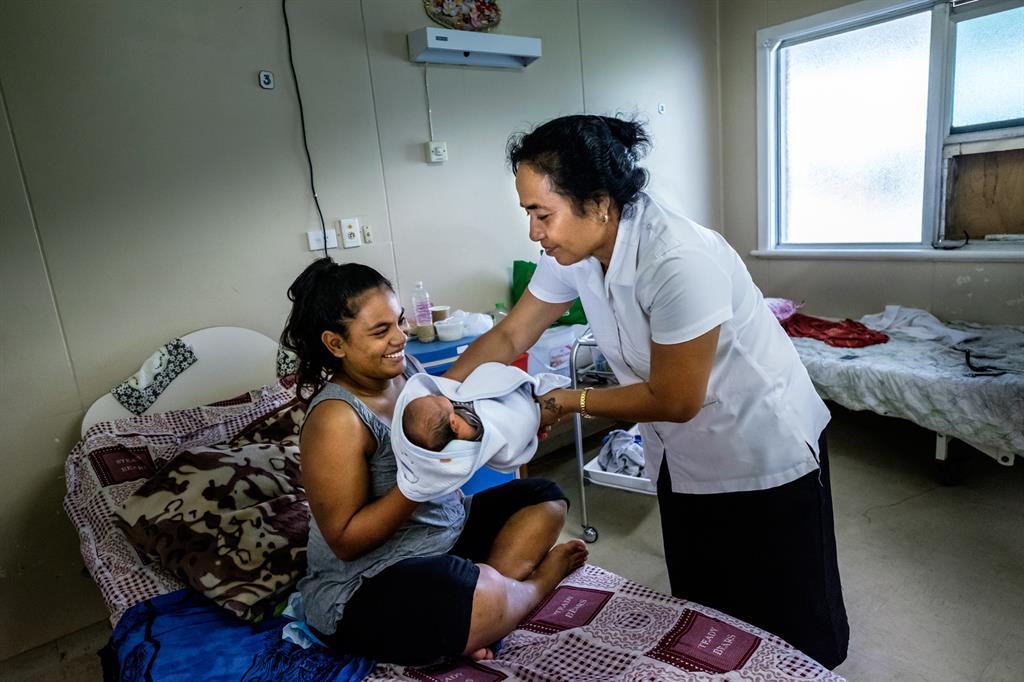
Achieving comprehensive health for all populations remains a fundamental goal in global health initiatives. Universal health coverage (UHC) ensures that every individual can access a full spectrum of high-quality health services—ranging from health promotion and disease prevention to treatment, rehabilitation, and palliative care—when and where they need them, without suffering financial hardship. This approach aims to eliminate barriers that prevent equitable access to essential services, ultimately fostering healthier communities worldwide.
To realize this vision, nations must develop robust, efficient, and inclusive health systems that are deeply rooted in their communities. Primary health care (PHC) stands out as the most effective and affordable strategy to reach these objectives. Each country must tailor its pathway to UHC based on its unique population needs and available resources. Investing in strong PHC systems allows for comprehensive needs assessment, priority setting, and coordinated care delivery. It also ensures the presence of a well-trained, equipped health workforce capable of addressing diverse health issues. Moreover, a multi-sectoral approach involving all societal sectors is vital for tackling environmental and socio-economic determinants of health, as well as preparing for, responding to, and recovering from emergencies.
WHO’s Role and Strategic Initiatives
The World Health Organization (WHO) advocates for reorienting health systems around a primary health care (PHC) model as the cornerstone for achieving UHC. This strategy aligns with WHO’s broader goal of extending health coverage to an additional billion people by 2025. In countries with fragile health infrastructures, WHO provides critical technical assistance to strengthen institutions and expand essential services, especially during emergencies. In more developed health systems, efforts focus on policy reforms and innovations that enhance performance and broaden access.
WHO’s support encompasses developing normative guidance, fostering research and innovation, and promoting leadership in diplomacy, gender equality, health equity, and multisectoral action. These efforts are also linked to broader international commitments, such as the 2030 Agenda for Sustainable Development, specifically SDG target 3.8, which emphasizes universal health coverage, financial risk protection, and access to essential medicines and vaccines.
Interesting:
Challenges and Progress Monitoring
Despite global commitments, progress toward UHC faces significant hurdles. While coverage of essential services has stagnated in some regions, the proportion of populations experiencing catastrophic health expenditures continues to rise. To track advancements and identify gaps, WHO publishes biannual reports and maintains comprehensive data platforms. These resources help nations and stakeholders understand current trends and develop targeted strategies.
For further insights into the most effective health plans, consult this resource on the best healthcare options recognized nationwide. Additionally, integrating advanced health information systems is crucial; understanding how electronic medical record systems operate can significantly improve service delivery. Explore more at understanding electronic medical record emr systems and their functionality.
Technological advancements, such as electronic health record systems, play a vital role in streamlining healthcare processes and improving patient outcomes. Progress in this area supports the broader goal of advancing healthcare with electronic health record systems. Furthermore, leveraging data analytics is essential for transforming healthcare delivery; unlocking the potential of health data enables more informed decision-making and resource allocation. Discover more about this transformative process at unlocking the power of data analytics to transform healthcare.
In conclusion, achieving universal health coverage is a complex but essential pursuit that requires coordinated efforts, innovative solutions, and unwavering commitment from global health leaders, governments, and communities alike. The journey toward health equity is ongoing, but with strategic investments and continuous monitoring, a healthier, more equitable future is within reach.