






Addressing Patient Concerns About Remote Patient Monitoring: Key FAQs
 December 26, 2025
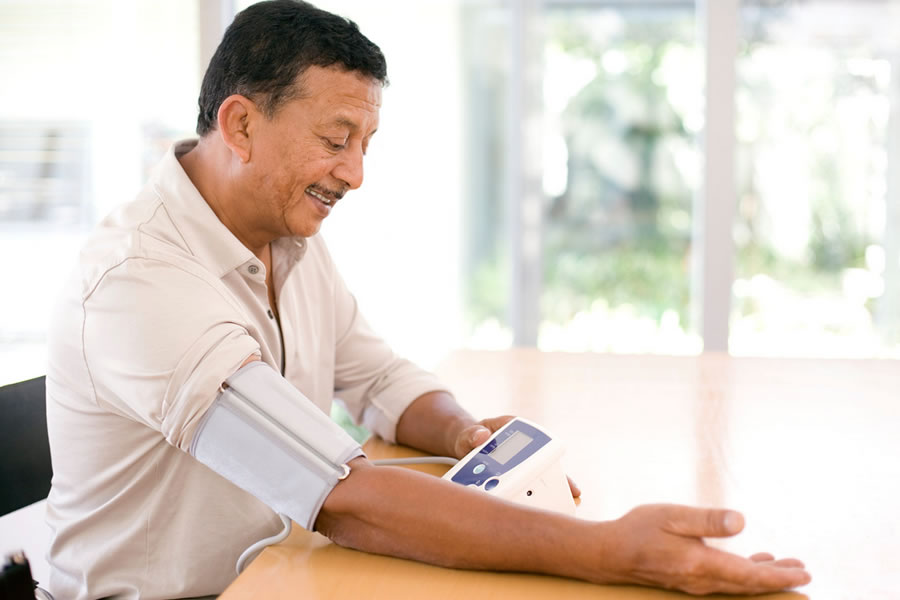
Remote patient monitoring (RPM) has revolutionized healthcare by enabling continuous, real-time management of patient health outside of traditional clinical settings. As this technology becomes more prevalent, patients and healthcare providers alike have numerous questions about its safety, effectiveness, and implementation. Understanding these common concerns can help foster greater acceptance and proper utilization of RPM systems, ultimately leading to improved health outcomes.
What Is Remote Patient Monitoring and How Does It Work?
Remote patient monitoring involves the use of digital devices that collect health data from patients in their everyday environments. These devices can track vital signs such as blood pressure, glucose levels, heart rate, oxygen saturation, and more. The data is then securely transmitted to healthcare providers for analysis, enabling timely interventions without the need for frequent in-person visits. This approach offers several benefits, including increased convenience, early detection of health issues, and reduced hospital readmissions.
Advancements in artificial intelligence have significantly enhanced the capabilities of RPM systems, allowing for smarter data analysis and personalized patient care. For comprehensive insights into digital health innovations, explore resources on AI advancements in healthcare.
Is Remote Monitoring Accurate and Reliable?
Many patients worry about whether the data collected remotely can be trusted as much as measurements taken in a clinical setting. Modern medical devices used for RPM are subject to rigorous testing and regulatory standards to ensure accuracy. While some variability might occur, especially with less sophisticated gadgets, most devices used in clinical RPM are highly reliable.
Healthcare providers interpret this data within the broader context of each patient’s health history, making adjustments as necessary. To develop effective health applications that integrate these technologies, developers should pay attention to essential design principles outlined in guidelines for healthcare app development.
Are Remote Patient Monitoring Systems Secure and Confidential?
Patient privacy is a critical concern in digital health. Reputable RPM systems incorporate advanced encryption protocols and comply with privacy regulations like HIPAA to safeguard sensitive health information. As data is transmitted over secure networks and stored in compliant data centers, the risk of breaches diminishes significantly.
Patients should always ensure their healthcare providers use trusted platforms. As technology continues to evolve, companies are also exploring innovations like extended reality (XR) to bridge gaps in medical training and patient education, as detailed in the XR impact on medicine.
Interesting:
What Are the Benefits of Using Remote Patient Monitoring?
RPM offers numerous advantages, including improved management of chronic conditions, reduced need for frequent hospital visits, and enhanced patient engagement. Patients benefit from real-time feedback, which encourages adherence to treatment plans and helps detect potential issues early. For healthcare providers, RPM facilitates proactive care, allows for more personalized treatment, and can lead to cost savings for healthcare systems.
Additionally, the integration of artificial intelligence can enhance data analysis, providing deeper insights into patient health trends and predicting possible complications before they become severe.
Are There Any Limitations or Challenges?
Despite its many benefits, RPM is not without challenges. Technological barriers such as device malfunction, connectivity issues, or user unfamiliarity can hinder its effectiveness. There are also concerns about data overload for healthcare providers, who must interpret large volumes of information efficiently.
Furthermore, some patients may resist adopting new technologies due to privacy fears or lack of technological literacy. Addressing these issues requires ongoing education, user-friendly device design, and robust technical support. As the healthcare industry advances, a focus on patient-centered solutions becomes essential for successful RPM implementation.
—
Implementing remote patient monitoring effectively demands understanding the technology’s capabilities and limitations while ensuring patient trust and data security. As healthcare continues to evolve with innovations like artificial intelligence, digital tools are becoming indispensable in delivering high-quality, accessible care. For those interested in how technology is transforming medical practices, exploring the role of immersive technologies like XR can provide valuable insights into future healthcare trends.